Training to failure can build serious muscle — or bury your recovery — depending entirely on how much of it you use, when you use it, and on which lifts. Here's the evidence-based dosing framework that separates smart failure training from overtraining.
What "Training To Failure" Actually Means
Training to failure means performing a set until you physically cannot complete another repetition with good form. It's a training variable, not a supplement — but how much of it you use, and how you support recovery around it, determines whether it builds muscle or buries you under fatigue.
The real question lifters bring to Train Like Alpha isn't whether failure training works. It's how much failure training a body can absorb per week before performance, joints, and sleep start to break down.
The Dosing Question: How Much Failure Per Week?
Research on resistance training volume suggests failure training produces similar hypertrophy to stopping 1-2 reps shy of failure (commonly called RIR, or 'reps in reserve'), but at a meaningfully higher fatigue cost. That fatigue cost is the real 'dose' you're managing.
A practical dosing framework used by evidence-based coaches: reserve true failure for isolation exercises and the last set of a given movement, not every set of every exercise. Compound lifts like squats, deadlifts, and heavy presses carry more systemic fatigue and injury risk when taken to failure repeatedly across a week.
- Isolation exercises (curls, leg extensions, lateral raises): failure is generally well-tolerated 2-3x per week per muscle group
- Compound lifts (squat, deadlift, bench, overhead press): limit true failure to 1 set, 1-2x per week per lift
- Beginners (under 1 year of structured training): avoid failure almost entirely for the first 8-12 weeks while learning technique
- Advanced lifters: can tolerate more failure work but need proportionally more recovery volume (sleep, protein, deload weeks)

Timing: When Failure Training Helps Most
Timing matters as much as frequency. The best window for a failure set is at the end of an exercise, not the start — your nervous system and joints are better prepared after a few submaximal sets, and form breakdown under failure is less likely.
Many programs place failure sets in the final week of a training block (often called an 'overreach' week), right before a planned deload. This concentrates the fatigue cost into a short window you can recover from, rather than spreading breakdown-level fatigue across every session.
Morning vs. Evening Failure Training
There's no strong evidence that failure training performed in the morning differs physiologically from evening sessions in terms of muscle growth. What does matter is consistency and whether your nervous system is adequately fueled and warmed up — cold, under-fed failure sets are where most training-to-failure injuries happen.
Signs You're Overdosing on Failure
Because training to failure isn't something you swallow, overdosing shows up as symptoms rather than side effects on a label. Watch for these signals that your weekly 'dose' is too high.
- Resting heart rate elevated 5+ bpm on waking for several consecutive days
- Strength regressing on the same lifts for two sessions in a row despite adequate sleep
- Joint aches that linger beyond 48 hours after a session
- Declining motivation or dread before sessions you previously enjoyed
- Sleep quality dropping despite normal bedtime routine
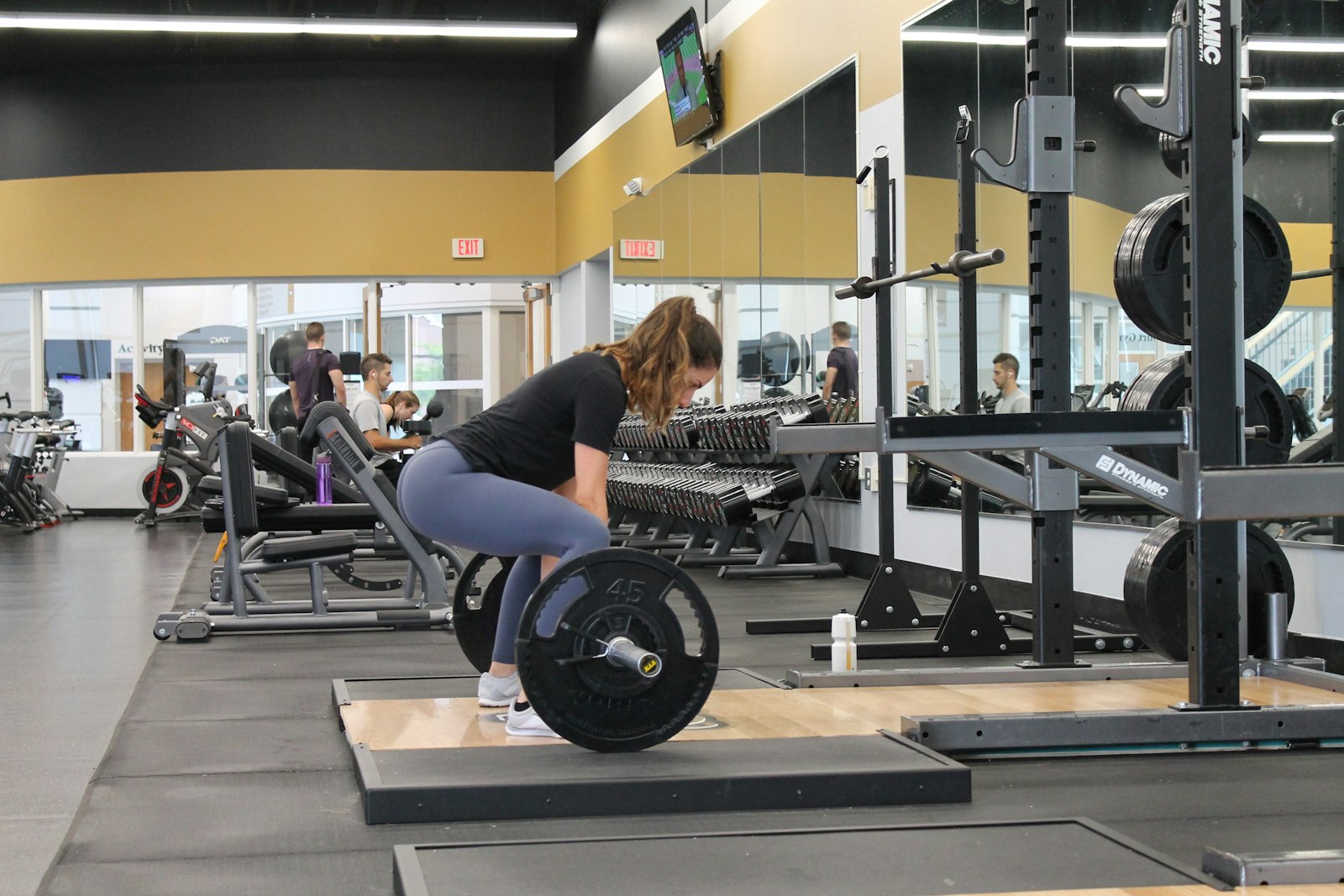
Support Recovery Between Failure Sessions
Whey or plant protein isolate and a quality magnesium complex are foundational tools for recovering from higher-fatigue training — look for third-party tested options with transparent amino acid profiles.
Shop Recovery Support →Forms of Failure Training: Not All Failure Is Equal
"Failure" isn't one dose — it comes in different intensities, and matching the right form to the right exercise is part of smart programming.
- Concentric failure: cannot complete the lifting portion of the rep — the most common and generally lowest-risk form
- Muscular (true) failure: cannot move the weight at all, even with a cheat rep — higher fatigue cost
- Eccentric failure: cannot control the lowering phase — typically requires a spotter, highest injury risk for compound lifts
- Technical failure: form breaks down before true muscular failure — the safer stopping point for most heavy compound work
| Training Goal | Recommended Failure Frequency | Best Exercise Type |
|---|---|---|
| Pure hypertrophy | Last set to failure, most sessions | Isolation movements |
| Strength + size (hybrid) | 1-2 failure sets per week per lift | Light-to-moderate compound variations |
| Powerlifting/strength focus | Rarely, reserved for testing weeks | Avoid on main compound lifts |
| Beginner / return from layoff | Avoid for 8-12 weeks | None — build technique first |
Safety: Protecting Joints and Nervous System
Training to failure increases demand on connective tissue, central nervous system recovery, and technique consistency — three areas where safety margins shrink fastest when the 'dose' creeps too high.
A simple safety rule: if you need to sacrifice range of motion or joint alignment to complete the final rep, you've exceeded a safe dose for that exercise. Technical failure, not muscular failure, should be the stopping point for barbell squats, deadlifts, and overhead presses.
Train Failure Sets Safely
A properly rated spotter arm safety system or adjustable squat rack safety pins lets you push isolation and compound lifts closer to failure without needing a training partner present.
Check Safety Equipment →Building a Sustainable Weekly Protocol
Most lifters do best treating failure training like a seasoning, not the main course: used deliberately on a handful of sets per week rather than applied uniformly. A sustainable starting protocol most intermediate lifters can run for a full training block looks like this.
- 2-3 isolation exercises taken to true failure per session, max 3x/week
- 1 compound lift per week taken to technical failure, never eccentric failure
- Full deload (back off all sets to 2-3 RIR) every 4th-6th week
- Protein intake supporting recovery (roughly 0.7-1g per pound of bodyweight daily)
- 7+ hours of sleep on nights following any failure-set session
Fuel the Sets That Matter Most
A fast-digesting carbohydrate and electrolyte mix before failure-focused sessions helps maintain output on your hardest sets, when fatigue resistance matters most.
Shop Pre-Training Fuel →The Bottom Line
Training to failure isn't inherently dangerous or inherently superior — it's a tool with a dose-response relationship, same as any other training variable. The right amount depends on your training age, the exercise you're performing, and how well you're managing the recovery side of the equation.
Start conservative: reserve true failure for isolation work, use technical failure as your ceiling on heavy compounds, and build in deload weeks before your body forces one on you. That's how you get the hypertrophy benefit of failure training in 2026 without the burnout that sends most lifters backward.
From across the network
More from the network on related topics: VitaminSupplyCenter · TestBoostLab · EliteRecoveryLab.