Pushing every set to the point of collapse feels like proof of effort, but the research tells a more nuanced story. Here's what training to failure actually does for muscle growth, who should use it, and the real recovery costs most lifters underestimate.
What Training to Failure Actually Means
Training to failure means performing a set until you physically cannot complete another repetition with proper form. It's distinct from grinding out a hard last rep or stopping two reps shy of exhaustion (commonly called RPE 8 or 2 reps-in-reserve). True failure is the point where the muscle simply won't respond, regardless of willpower.
This distinction matters because most research on hypertrophy and strength doesn't compare 'hard training' to 'easy training' — it compares failure to near-failure. The gap between the two is often smaller than lifters assume, and how you use failure depends heavily on your goals, recovery capacity, and exercise selection.
- True failure: cannot complete another rep with good form
- Near-failure (RIR 1-2): could grind one or two more reps
- Technical failure: form breaks down before muscular failure occurs
The Evidence: Does Failure Training Build More Muscle?
A number of controlled trials comparing sets performed to failure versus sets stopped 1-3 reps short have found comparable hypertrophy outcomes when total volume is equated. The key variable isn't proximity to failure alone — it's the total mechanical tension accumulated across a session and across weeks.
Where failure training does show an edge is in single-joint, machine-based movements like leg extensions or lateral raises. These exercises carry lower systemic fatigue and injury risk, making failure sets more tolerable and slightly more productive for isolated muscle growth. For compound barbell lifts — squats, deadlifts, bench press — pushing to failure repeatedly tends to erode performance in subsequent sets and sessions faster than it adds stimulus.
- Isolation exercises: failure appears more forgiving and may add modest benefit
- Compound lifts: failure increases fatigue cost disproportionately to muscle gain
- Volume and progressive overload remain the primary drivers of hypertrophy

Who Actually Benefits From Training to Failure
Intermediate and advanced lifters chasing the last few percent of muscle growth on accessory work are the best candidates. When your main lifts are already programmed with sensible volume, adding occasional failure sets on curls, extensions, or flyes at the end of a session can squeeze out extra stimulus without wrecking recovery.
Beginners generally don't need it. Novice lifters make rapid progress from moderate-effort training alone, and the added fatigue and injury risk from failure training isn't justified by the marginal difference in results. Time-crunched trainees with only 2-3 sessions per week may also use occasional failure sets strategically, since fewer total sets means each one needs to count more.
Support Recovery When Pushing Hard Sets
High-effort training increases muscle protein breakdown. A quality whey or plant protein blend helps supply the amino acids needed to repair and rebuild after failure-intensity sessions.
Shop Protein at iHerb →The Real Side Effects: Fatigue, Injury Risk, and Burnout
The most consistent finding across research is that training to failure disproportionately increases neuromuscular fatigue relative to the extra growth stimulus it provides. This shows up as reduced bar speed, degraded technique on subsequent sets, and longer recovery windows between sessions — sometimes 48-72 hours longer than moderate-effort training.
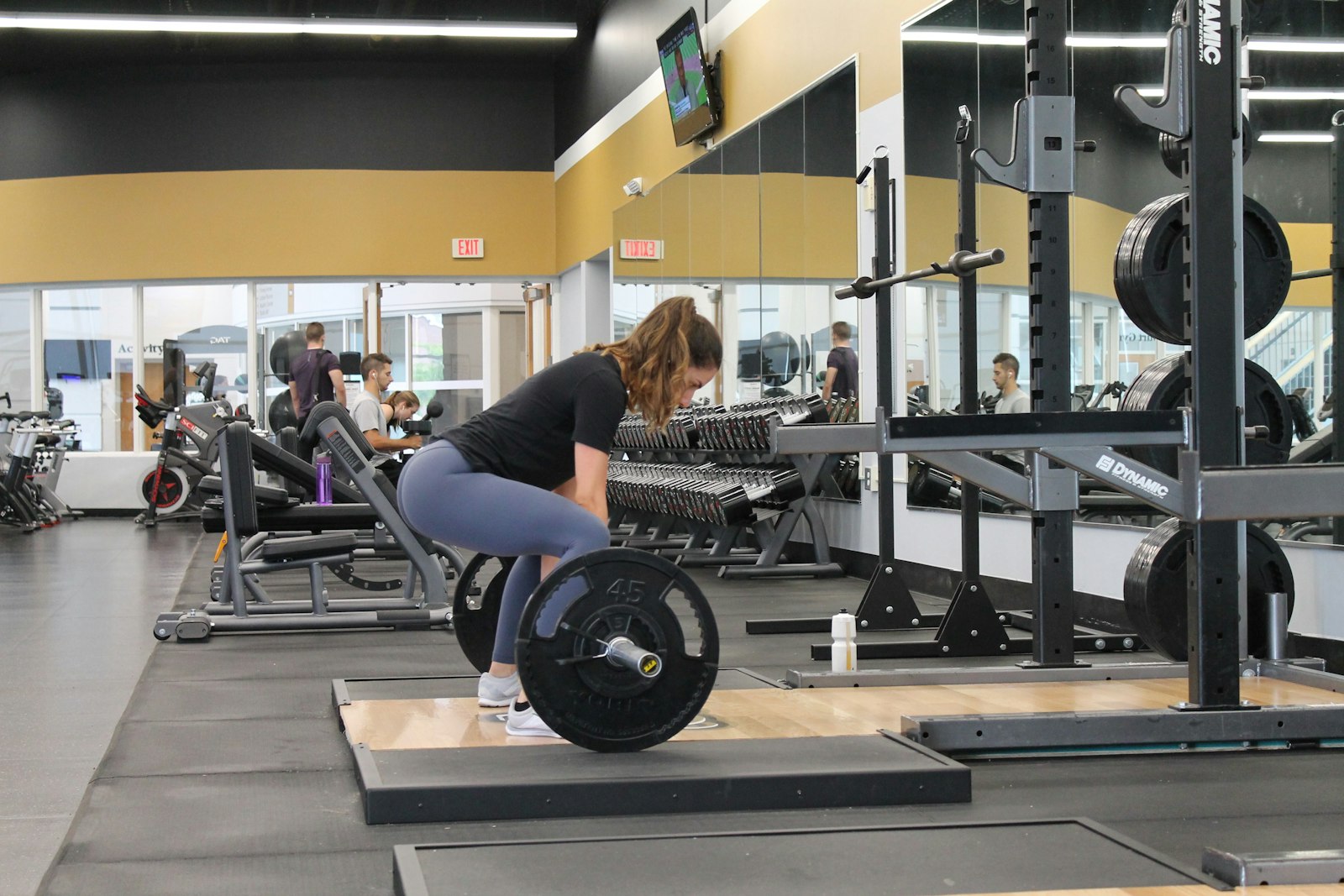
Joint and connective tissue stress also rises. Failure sets on heavy compound movements place lifters in compromised positions as fatigue sets in, which is when form breaks down and injury risk climbs. This is particularly true for exercises loading the spine (squats, deadlifts, overhead press) where a failed rep can mean losing control of a heavily loaded bar.
Psychologically, chasing failure on every set across every session is a fast track to burnout. Constant maximal effort raises cortisol and can blunt motivation over time, making adherence — the single biggest predictor of long-term results — harder to sustain.
- Extended recovery time between sessions
- Elevated injury risk on loaded compound lifts
- Central nervous system fatigue affecting subsequent training days
- Higher perceived exertion reducing training adherence over time
| Approach | Best Used For | Fatigue Cost | Injury Risk |
|---|---|---|---|
| Failure Training | Isolation/machine exercises, final set of a session | High | Moderate |
| 1-2 Reps in Reserve | Compound lifts, most weekly volume | Moderate | Low |
| 3+ Reps in Reserve | Warm-ups, technique work, deloads | Low | Very Low |
How to Dose Failure Training Safely
Rather than an all-or-nothing approach, treat failure as a tool used sparingly and strategically. A practical framework: reserve true failure for the last set of an isolation exercise, once or twice per muscle group per week. Keep compound lifts at 1-2 reps in reserve almost always, saving all-out effort for occasional testing days or the final week of a training block.
Autoregulation helps here — track how you feel session to session and back off failure work during weeks of poor sleep, high stress, or when strength numbers are stalling. Pairing hard training blocks with a planned deload every 4-6 weeks lets accumulated fatigue dissipate before it becomes an injury or a plateau.
- Limit true failure to isolation/machine exercises
- Cap failure sets at 1-2 per muscle group per week to start
- Keep compound lifts at 1-2 reps in reserve
- Schedule a deload every 4-6 weeks if using failure regularly
Train Failure Sets Safely with a Spotter Arm or Rack
If you're pushing compound lifts near failure, a power rack with adjustable safety pins removes the guesswork and lets you train hard without a training partner.
Shop Power Racks →Signals You're Overdoing It
Watch for a cluster of warning signs: declining performance on lifts that were previously progressing, persistent joint aches that don't resolve with normal rest, disrupted sleep despite fatigue, and a dip in motivation to train. Any one of these alone might be a bad week; several together over 2+ weeks usually means accumulated fatigue from too much high-effort training.
If you notice these signs, the fix isn't more effort — it's less. Reduce failure sets, add a deload week, and prioritize sleep and protein intake to let your body catch up before resuming aggressive intensity techniques.
Support Recovery With Magnesium and Sleep Aids
Quality sleep is where most recovery from high-effort training actually happens. Magnesium glycinate and other evidence-backed sleep-support supplements can help you bounce back between hard sessions.
Browse Sleep Support at iHerb →Bottom Line
Training to failure isn't inherently good or bad — it's a high-cost, situational tool. Used sparingly on isolation exercises, it can add a small but real hypertrophy edge for experienced lifters. Used indiscriminately across every set of every session, it accelerates fatigue, raises injury risk, and undermines the consistency that actually drives long-term results.
The smartest approach treats effort like a budget: spend it deliberately on exercises and moments where the payoff justifies the cost, and bank reps in reserve everywhere else.
From across the network
More from the network on related topics: VitaminSupplyCenter · TestBoostLab · EliteRecoveryLab.