Searching "grip strength dosage" assumes grip comes in a bottle — it doesn't. Here's the honest breakdown of what builds crushing, carrying, and hanging strength, and which supplements genuinely support that training.
Why “Grip Strength” Isn’t Actually a Supplement
Here’s the thing most searches for “grip strength dosage” miss: grip strength isn’t a pill, powder, or capsule you take a specific milligram amount of. It’s a measurable output of your forearm flexors, hand musculature, and nervous system — one of the single best predictors of overall strength, longevity, and functional capacity that exists in exercise science. What people are usually really asking is: what should I take to support grip and forearm performance, and how do I actually train it correctly.
So this guide covers both halves of the question honestly: the training protocol that builds grip strength (the part that actually moves the needle), and the supporting supplements — creatine, collagen/connective tissue support, magnesium, and electrolytes — that can help you recover faster and train harder. If you came here looking for a shortcut in a bottle, the real answer is more useful than that.
How Grip Strength Is Actually Built
Grip strength responds to the same principles as every other muscle group: progressive overload, adequate frequency, and recovery. The forearm flexors and extensors are smaller muscles that recover faster than big compound movers like your quads, which means they tolerate — and often require — more frequent training to adapt.
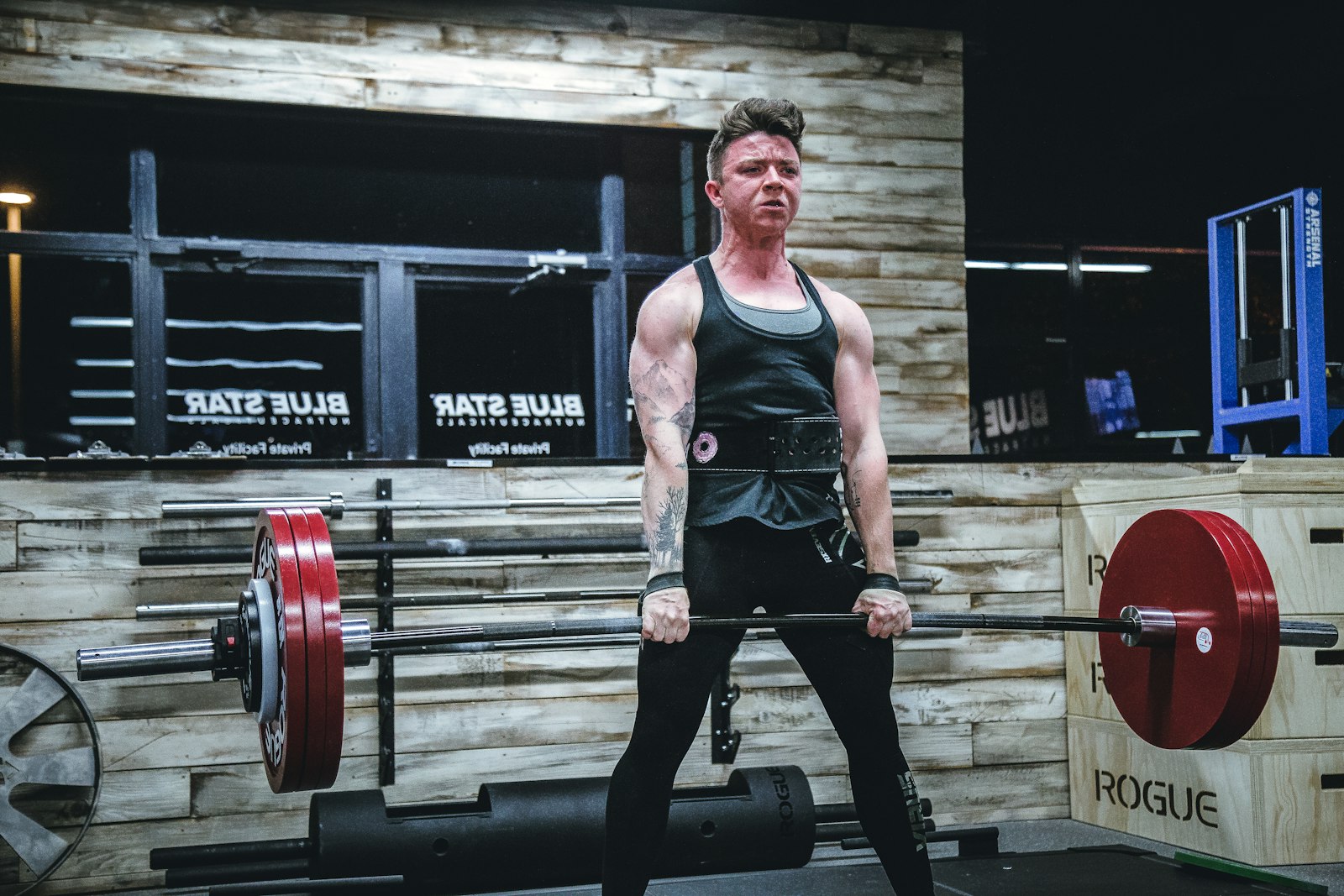
Dead hangs, farmer’s carries, plate pinches, and direct wrist curls are the proven tools here. Most well-designed programs use 3-4 grip-specific sessions per week, layered on top of the incidental grip work you already get from deadlifts, rows, and pull-ups.
- Dead hangs: 2-4 sets to near-failure, 3x/week
- Farmer’s carries: 3-4 sets of 30-60 second walks, loaded heavy
- Plate pinches: 2-3 sets, 15-30 seconds, progressing load weekly
- Wrist curls/extensions: 2-3 sets of 12-15 reps, 2x/week
The Supplement Question: What Actually Helps
Since grip strength is a strength-training outcome, the supplements that help are the same ones that support strength and connective tissue health broadly — not a dedicated “grip” product. Four categories have real evidence behind them: creatine monohydrate, collagen peptides with vitamin C, magnesium, and electrolytes for grip-heavy training days (think long hang sessions or carries that leave hands sweating and cramping).
None of these replace training. They exist to help you recover between sessions, support the tendons and connective tissue that take real mechanical load during heavy pinches and hangs, and keep your nervous system firing efficiently during max-effort grip work.
Build the Strength Base First
Creatine monohydrate is one of the most studied performance compounds available, shown to support strength and power output across training types — including grip-dependent lifts like deadlifts and carries.
Shop Creatine on iHerb →Creatine: Dosing and Timing
For general strength and grip performance support, most protocols use 3-5 grams of creatine monohydrate daily, taken consistently — timing around your workout matters far less than daily consistency. A loading phase (around 20g/day split into four doses for 5-7 days) can saturate muscle stores faster, but it's optional; daily 3-5g dosing reaches the same saturation point within about 3-4 weeks.
Take it with a meal or post-workout shake for simplicity. There's no strong evidence that pre- versus post-workout timing changes outcomes meaningfully — what matters is that you take it every day, including rest days.
Collagen and Connective Tissue Support
Grip-heavy training — dead hangs, pinches, and heavy carries — loads tendons and ligaments in the fingers, wrists, and forearms more than most other training. Collagen peptides paired with vitamin C (taken roughly 30-60 minutes before connective-tissue-loading work) have research support for boosting collagen synthesis in tendons.
A typical protocol uses 15 grams of hydrolyzed collagen peptides with 50mg of vitamin C, consumed about 45 minutes before your grip session. This isn't a substitute for progressive overload, but it's a reasonable addition if you're ramping volume on hangs and carries and want extra tendon support.
Support Tendons Under Load
Hydrolyzed collagen peptides are an easy, flavorless addition to pre-training shakes — look for options that pair collagen with added vitamin C for synthesis support.
Shop Collagen Peptides →| Supplement | Typical Daily Dose | Best Timing | Primary Benefit |
|---|---|---|---|
| Creatine Monohydrate | 3-5 g | Any time, daily | Strength & power output |
| Collagen Peptides + Vit C | 15 g / 50 mg | 45 min pre-training | Tendon/connective tissue support |
| Magnesium (glycinate) | 200-400 mg | Evening | Muscle relaxation, cramp reduction |
| Electrolyte blend | Per label, during long sessions | During/after training | Hydration, grip endurance in sweat |
Magnesium and Electrolytes: The Underrated Pair
Forearm and hand cramping during heavy grip work is often a magnesium and electrolyte issue, not a strength issue. Magnesium glycinate at 200-400mg in the evening supports muscle relaxation and sleep quality, both of which matter for recovery between grip-intensive sessions.
On training days involving long carries or hang-focused work, an electrolyte blend with sodium, potassium, and magnesium — taken during or right after the session — helps offset sweat losses that can otherwise sabotage your grip endurance mid-set, especially in warmer environments or longer training blocks.
Reduce Cramping, Improve Recovery
Magnesium glycinate is well-tolerated and commonly used to support muscle relaxation and sleep quality between heavy grip and pulling sessions.
Shop Magnesium on iHerb →Safety Notes Before You Start
Creatine monohydrate has one of the longest safety track records of any sport supplement, but stay hydrated while using it and avoid stacking multiple creatine products simultaneously. Collagen peptides are generally well-tolerated; those with specific protein allergies should check sourcing (bovine vs. marine).
Magnesium in glycinate form is gentler on digestion than oxide forms, but high doses can cause loose stools — start at the low end of the range. As always, talk to a physician before adding any new supplement if you're on medication, pregnant, or managing a kidney or cardiovascular condition, since dosing needs can shift significantly in those cases.
Building Your Grip Routine
Realistically, grip strength gains show up over 8-12 weeks of consistent training, not days. Track a simple metric — max dead hang time, or farmer's carry load for 40 feet — every two weeks so you can see real progress rather than guessing.
Pair progressive grip training 3-4x weekly with daily creatine, pre-session collagen on heavy connective-tissue days, and evening magnesium, and you've covered both the training stimulus and the recovery support side of the equation. That combination, not a single magic dose, is what actually moves grip strength numbers over a training cycle.
Add Direct Load to Your Sessions
Hand grippers, fat grip attachments, and pinch blocks let you overload grip directly instead of relying only on incidental carryover from other lifts.
Shop Grip Training Tools →From across the network
More from the network on related topics: VitaminSupplyCenter · TestBoostLab · EliteRecoveryLab.