Grip strength is one of the few metrics that doubles as both a performance tool and a long-term health marker — yet most lifters train it as an afterthought, if at all. Here's what the research says about the real benefits, who should prioritize it, the overuse risks worth watching, and how to dose grip work so it builds you up instead of stalling your bigger lifts.
Why Grip Strength Predicts More Than a Handshake
Grip strength has quietly become one of the most studied biomarkers in exercise science. Large population studies tracking adults over decades have repeatedly found that low grip strength correlates with higher all-cause mortality risk, slower recovery from illness, and earlier onset of functional decline. Researchers use it as a cheap, fast proxy for overall muscular health because forearm and hand musculature reflects total-body strength, nervous system efficiency, and even cardiovascular status.
This doesn't mean a weak grip causes disease. It means grip strength is a window into systemic health — muscle mass, neuromuscular coordination, and training history all show up in how hard you can squeeze. For lifters, athletes, and anyone chasing longevity, training grip deliberately is one of the highest-leverage, lowest-cost habits you can add to a routine.
The Real Benefits, Backed by Evidence
Grip training isn't just about looking impressive with a set of grippers. The carryover effects are broad and well documented across strength, health, and everyday function.
- Stronger pulling performance: deadlifts, rows, and pull-ups all stall when grip fails first — improving grip removes that bottleneck.
- Better forearm and joint resilience: thicker, stronger tendons around the wrist and elbow reduce injury risk from repetitive lifting.
- Association with healthy aging: higher grip strength in older adults correlates with better mobility, balance, and independence.
- Improved neural drive: grip work recruits fast-twitch fibers and sharpens the mind-muscle connection used in nearly every compound lift.
- Everyday functional carryover: opening jars, carrying groceries, and manual labor all become easier and safer.
Who Benefits Most From Dedicated Grip Training
Not everyone needs a grip-specific program, but several groups see outsized returns from adding it intentionally rather than leaving it to chance.
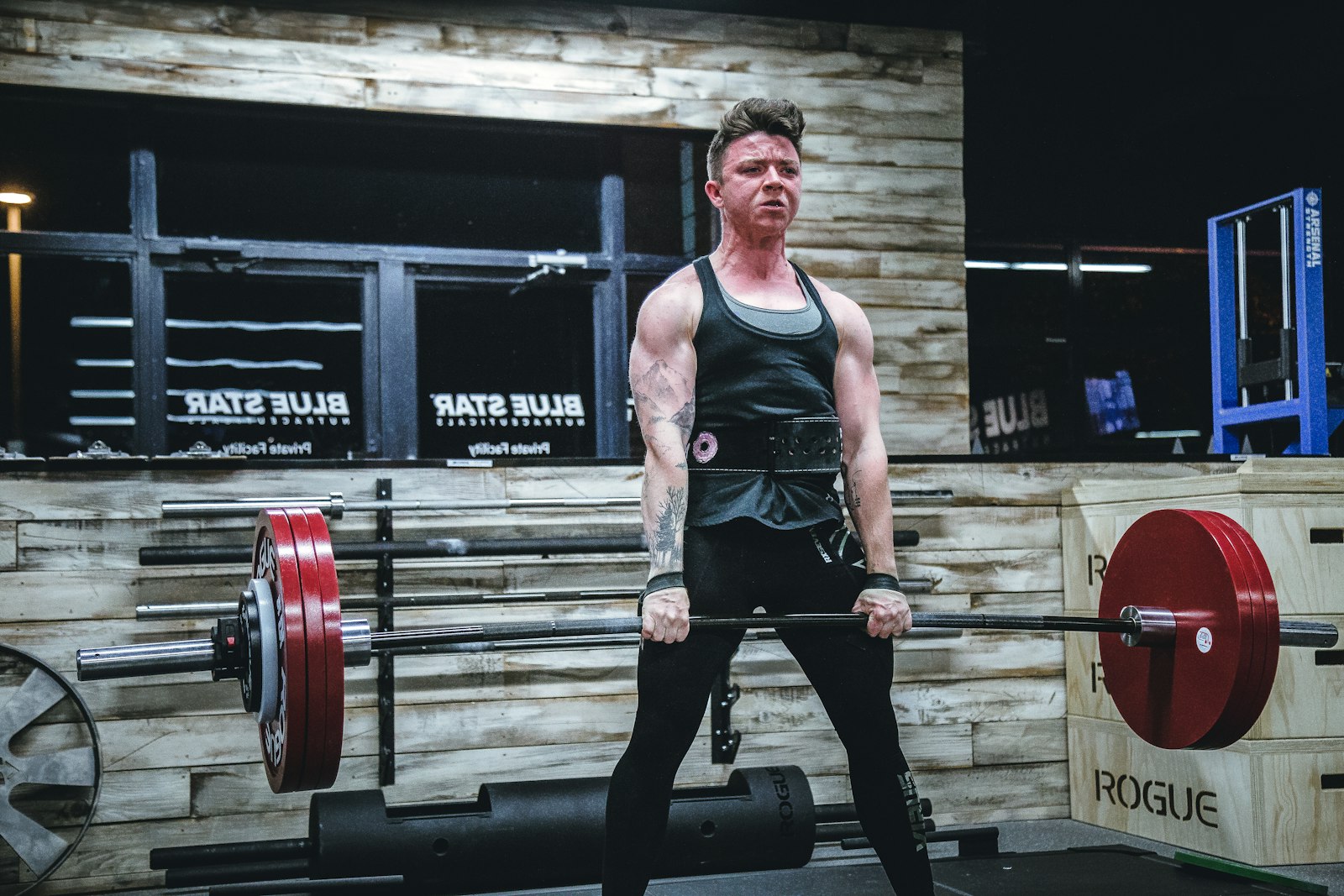
- Strength athletes whose deadlift or row is limited by grip fatigue before target muscles are worked.
- Climbers and combat athletes who rely on crushing, pinching, and sustained isometric grip under fatigue.
- Older adults using grip strength as a simple, trackable marker of overall strength maintenance.
- Desk workers and typists who accumulate forearm tightness and benefit from counterbalancing extensor work.
- Anyone rehabbing a wrist, elbow, or hand injury under professional guidance.
Build Your Grip Toolkit
Adjustable hand grippers let you progressively overload crush strength without guessing at resistance levels — a simple, durable addition to any home gym.
Shop Adjustable Grippers →Programming Grip Work Without Wrecking Recovery
Grip muscles are small but recover slower than people expect because they're constantly engaged in daily tasks and secondary to every pulling exercise. The mistake most lifters make is bolting on high-volume grip work at the end of an already exhausting pull day, then wondering why their deadlift feels flat the following week.
A better approach trains grip 2-3 times weekly using a mix of crush, pinch, and support holds, cycling intensity so at least one session stays light. Farmer's carries, dead hangs, plate pinches, and gripper reps each target slightly different tissue and should rotate rather than stack in the same session.
| Grip Method | Primary Benefit | Suggested Frequency |
|---|---|---|
| Farmer's carries | Total-body grip endurance + core stability | 1-2x weekly |
| Dead hangs | Shoulder health + support grip | 2-3x weekly |
| Adjustable grippers | Progressive crush strength | 3x weekly, low volume |
| Plate pinches | Pinch strength for thick-grip lifts | 1-2x weekly |
| Thick-bar work | Grip + forearm hypertrophy | 1x weekly |
Side Effects and Overuse Risks Worth Knowing
Grip training is low-risk compared to heavy compound lifting, but it isn't risk-free. The forearm flexors and tendons around the elbow are small structures that can become irritated when volume increases too quickly, especially in lifters who already spend hours gripping barbells, dumbbells, and climbing holds.
The most common issue is medial or lateral elbow irritation — often mislabeled generically as 'tendonitis' — which develops gradually from repetitive gripping without adequate extensor work or recovery. Overtraining grip can also mask fatigue in bigger lifts, since a fried forearm may fail before the target muscle gets a full stimulus, subtly stalling progress elsewhere.
- Elbow or wrist tendon irritation from excessive volume or poor progression
- Reduced pulling performance if grip fatigue interferes with deadlift or row training
- Callus tearing or skin issues from high-friction gripper and bar work
- Compensation patterns if wrist flexors dominate over a weak posterior forearm/extensor group
Smart Dosing: How Much Grip Work Is Enough
More is not automatically better here. A sustainable approach layers grip work on top of a training week rather than treating it as its own demanding session. Two to three short sessions per week, each lasting 10-15 minutes, is enough stimulus for most lifters to see meaningful strength gains within 6-8 weeks.
Beginners should start with support holds and light gripper work, prioritizing time-under-tension over max effort. More advanced trainees can add pinch grip and thick-bar variations once tendons have adapted. Balancing flexor-dominant work with wrist extensor exercises — reverse curls, band extensions — keeps the forearm structurally balanced and reduces elbow strain over the long term.
Support Joint & Tendon Recovery
Collagen and joint-support supplements are commonly used by lifters managing tendon load from frequent gripping and pulling work — pair with smart programming, not as a substitute for it.
Shop Joint Support on iHerb →Forearm Recovery Essentials
A quality massage ball or foam roller helps manage forearm tightness that builds up from frequent grip and pulling sessions, keeping tendons supple between workouts.
Shop Recovery Tools →The Bottom Line
Grip strength is one of the rare training metrics that's genuinely both a performance tool and a health signal. Training it deliberately — with sensible volume, tendon-friendly progression, and balanced flexor/extensor work — pays off in stronger pulls, safer joints, and a body that holds up better over decades, not just this training cycle.
Treat it like any other muscle group: progressive, recoverable, and programmed with intent, and the returns compound well beyond the gym.
From across the network
More from the network on related topics: VitaminSupplyCenter · TestBoostLab · EliteRecoveryLab.