Progressive overload is treated as gospel in every gym, every coaching cert, and every fitness influencer's caption. But "lift more over time" is a simplification of a much more nuanced body of research. Here's what the science actually says about whether progressive overload works, how much it matters, and how to apply it without falling into the trap of adding weight for the sake of it.
What Progressive Overload Actually Means
The term gets used loosely, but in exercise science it refers to a gradual, systematic increase in the demands placed on the neuromuscular system over time. That can mean more weight, more reps, more sets, shorter rest, better range of motion, or slower tempo — not just piling plates on the bar every session.
This distinction matters because a lot of confusion about whether progressive overload 'works' comes from conflating it with linear weight increases specifically. Research on hypertrophy and strength adaptation treats overload as any measurable increase in mechanical tension or metabolic stress applied over time, and that broader definition is where the real evidence lives.
The Research Base: Is It Actually Necessary?
Multiple resistance training reviews, including meta-analyses on volume and intensity progression, consistently find that muscles and connective tissue adapt to the specific stimulus they're repeatedly exposed to. Once a given load and volume become routine, the adaptive signal drops off — this is sometimes called the repeated bout effect, and it's well documented in exercise physiology literature.
In plain terms: if you bench the same 135 lbs for 3 sets of 10 every week for a year, your body has no biological reason to keep building strength or size past a certain adaptation ceiling. Studies comparing progressive protocols to static-load protocols over 8-12 week training blocks generally show larger strength and hypertrophy outcomes in the progressive groups, though the gap narrows in already well-trained lifters.
Where the Evidence Gets Nuanced
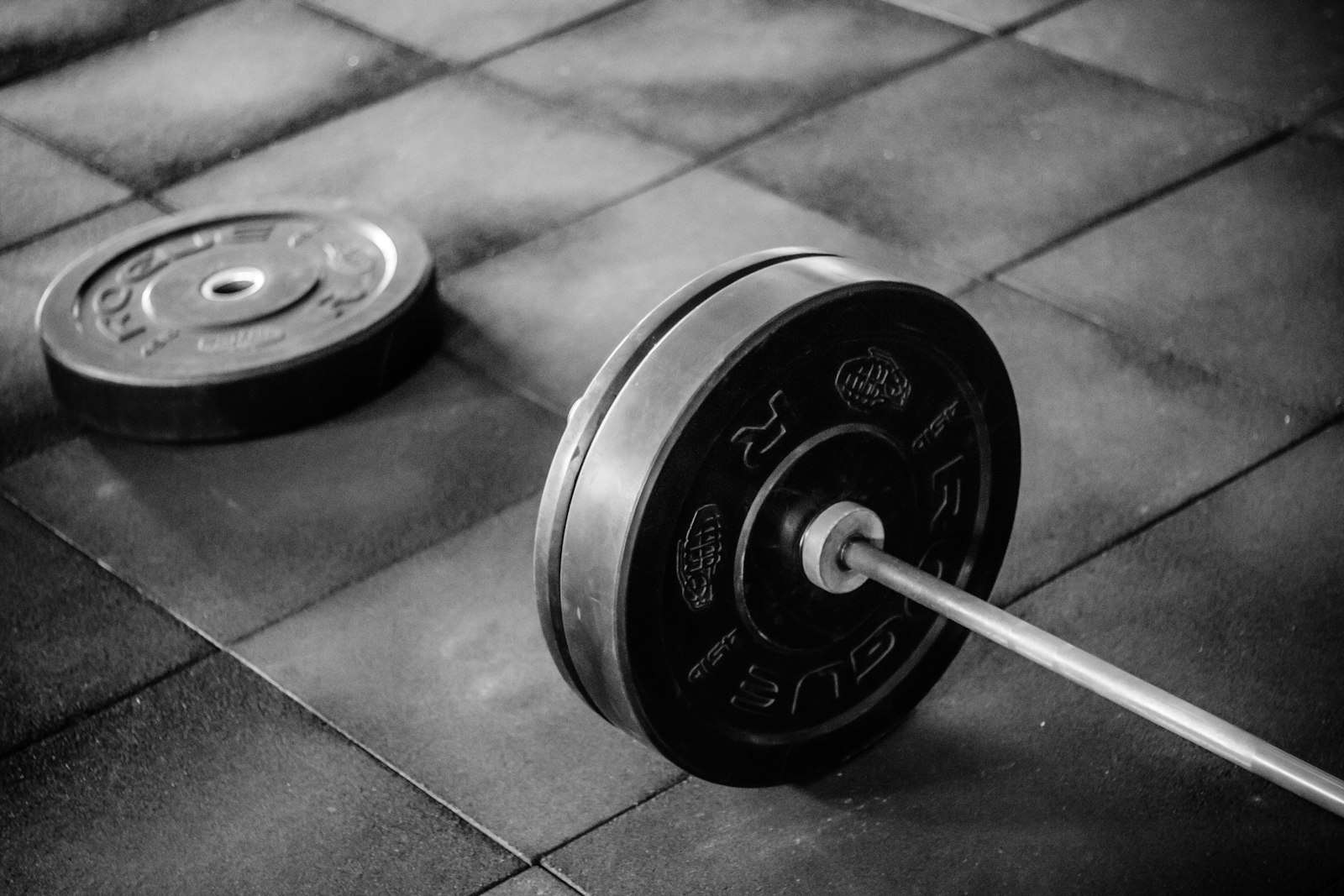
Not all overload is equal, and the research doesn't support the idea that you must add weight every single session. Several studies on set volume and proximity to failure suggest that increasing effort (training closer to failure) or increasing total weekly volume can drive adaptation just as effectively as adding load, especially for intermediate lifters.
There's also strong evidence that recovery capacity limits how much overload the body can productively absorb. Multiple training studies show diminishing or even negative returns when volume or intensity is increased too aggressively without adjusting sleep, nutrition, and deload periods — meaning progressive overload is only as effective as the recovery infrastructure supporting it.
- Beginners: respond to almost any consistent overload, often weekly
- Intermediate lifters: need more deliberate manipulation of volume, load, or density
- Advanced lifters: require periodized, longer-term overload cycles with planned deloads
The Diminishing Returns Curve
A consistent finding across strength training literature is that the rate of adaptation slows as training age increases. Novices can often add load weekly for months. Intermediate lifters may only progress monthly. Advanced lifters frequently need multi-week blocks, periodization, and even temporary volume reductions before they can push loads higher again. This is not a failure of progressive overload — it's the expected shape of the adaptation curve documented across decades of strength research.
| Training Age | Realistic Overload Pace | Primary Method |
|---|---|---|
| Beginner (0-1 yr) | Weekly load or rep increases | Add reps, then load |
| Intermediate (1-3 yrs) | Every 2-4 weeks | Volume, density, load blocks |
| Advanced (3+ yrs) | Every 4-12 weeks | Periodized cycles, deloads |
Why It Sometimes Feels Like It 'Doesn't Work'
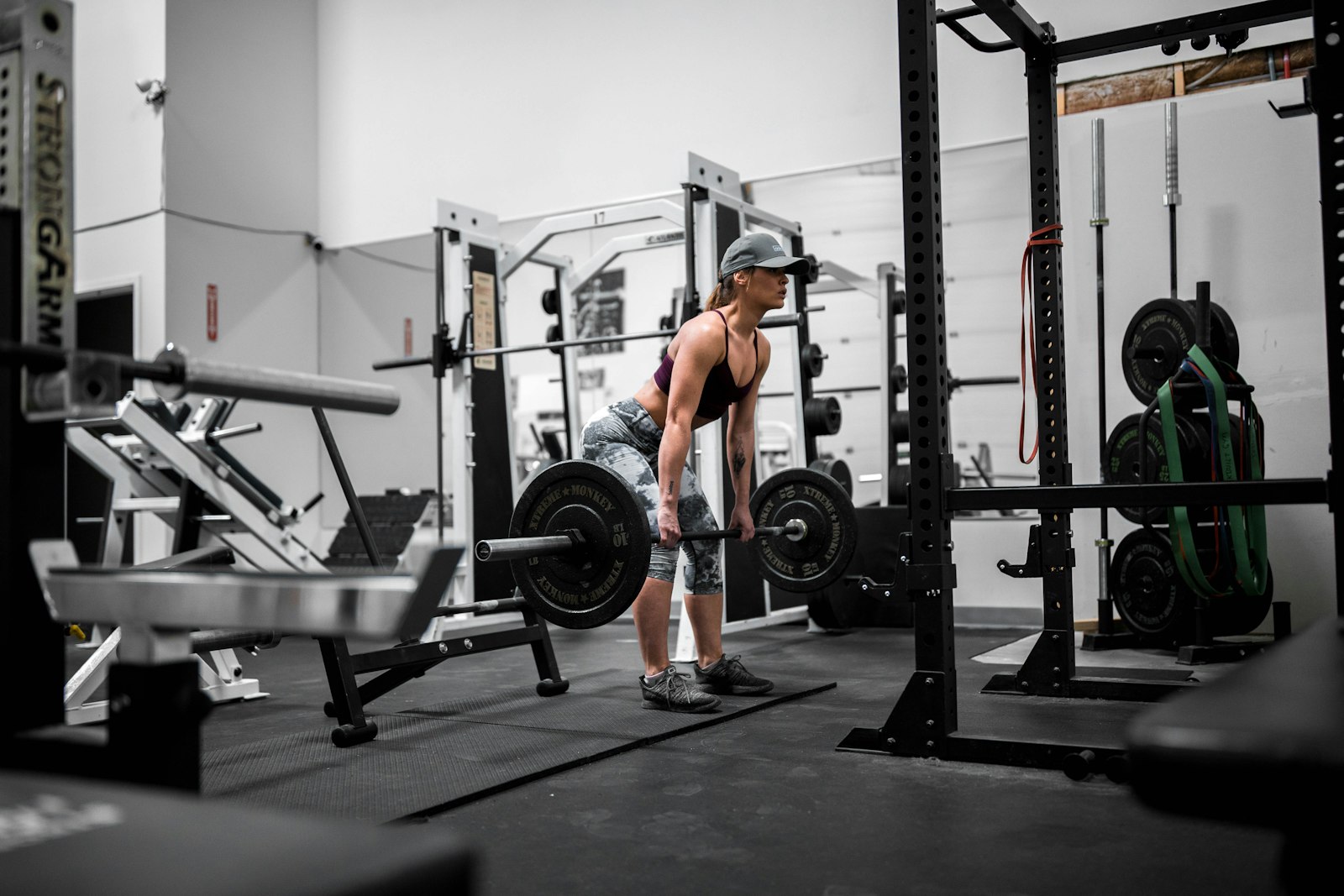
Plateaus are often blamed on progressive overload failing, when the actual issue is inconsistent tracking. Research on training logs shows that lifters who don't record loads, reps, or RPE tend to underestimate stagnation and overestimate progress. Without objective data, it's nearly impossible to know if you're actually overloading or just repeating the same session with more perceived effort.
Sleep debt, chronic caloric deficits, and poor protein intake also blunt the adaptive response to overload — the stimulus can be applied correctly and still fail to produce results if recovery inputs aren't there to support it. This is where the science is unambiguous: overload is the stimulus, but recovery and nutrition determine whether that stimulus becomes adaptation.
Support the Adaptation, Not Just the Workout
Progressive overload only translates to results when protein intake and recovery keep pace. iHerb stocks a wide range of whey, casein, and plant-based protein options to help close that gap.
Shop Protein at iHerb →How to Apply Progressive Overload Realistically
The practical takeaway from the research is that overload should be planned, not improvised. That means picking a primary variable to progress — load, reps, or sets — for a given block, tracking it honestly, and rotating your progression method as gains slow. Chasing every variable at once (heavier, more reps, less rest, all in the same week) is a common mistake that research on overtraining links to elevated injury risk and stalled progress.
- Track every working set: weight, reps, and effort level
- Progress one variable at a time within a training block
- Plan a deload every 4-8 weeks depending on training age
- Reassess sleep and protein intake before assuming a plateau is training-related
Track Every Rep, See Every Trend
A dedicated lifting journal or app-paired notebook makes it obvious when you've stalled versus when you're actually progressing.
Shop Training Journals →The Verdict From the Evidence
Progressive overload works — the research base supporting gradual, planned increases in training stimulus is deep and consistent across strength and hypertrophy literature. What the science doesn't support is the oversimplified version: that heavier weight every session is mandatory, or that stalling automatically means the principle has failed you.
The realistic expectation, backed by training-age research, is a slowing curve of returns that requires more sophisticated manipulation of volume, intensity, and recovery the longer you train. Progressive overload isn't a hack or a myth — it's a dial that needs recalibrating as your body adapts.
Give Yourself Room to Progress
Adjustable dumbbells or a plate-loaded barbell setup make small, incremental load jumps possible — the exact kind of micro-progression the research favors.
Shop Adjustable Dumbbells →From across the network
More from the network on related topics: VitaminSupplyCenter · TestBoostLab · EliteRecoveryLab.