Bodybuilders have sworn by "feeling the muscle work" for decades, while powerlifters roll their eyes and call it a distraction. We dug into the EMG and hypertrophy research to find out which camp is actually right — and the honest answer is both, depending on what you're lifting and how heavy.
What Mind-Muscle Connection Actually Means
Mind-muscle connection (MMC) refers to the deliberate mental focus on the target muscle during a lift, as opposed to simply moving the weight from point A to point B. Bodybuilders have preached this for decades, but it wasn't until the early 2010s that exercise scientists started putting it under the microscope using EMG (electromyography) to measure actual muscle fiber recruitment.
The core question isn't whether focusing on a muscle changes your subjective experience of a lift — it obviously does. The real question is whether that internal focus produces measurably greater muscle activation, and whether that translates into more hypertrophy over weeks and months of training.
The EMG Evidence: Does Focus Change Activation?
Several controlled studies have compared an external focus cue ("push the bar away") against an internal focus cue ("squeeze your chest") while measuring EMG amplitude in the target muscle. The results are consistent enough to draw a real conclusion: internal focus does increase EMG activity in isolation-style exercises like cable flyes, leg extensions, and biceps curls, typically in the range of a noticeable but not massive bump.
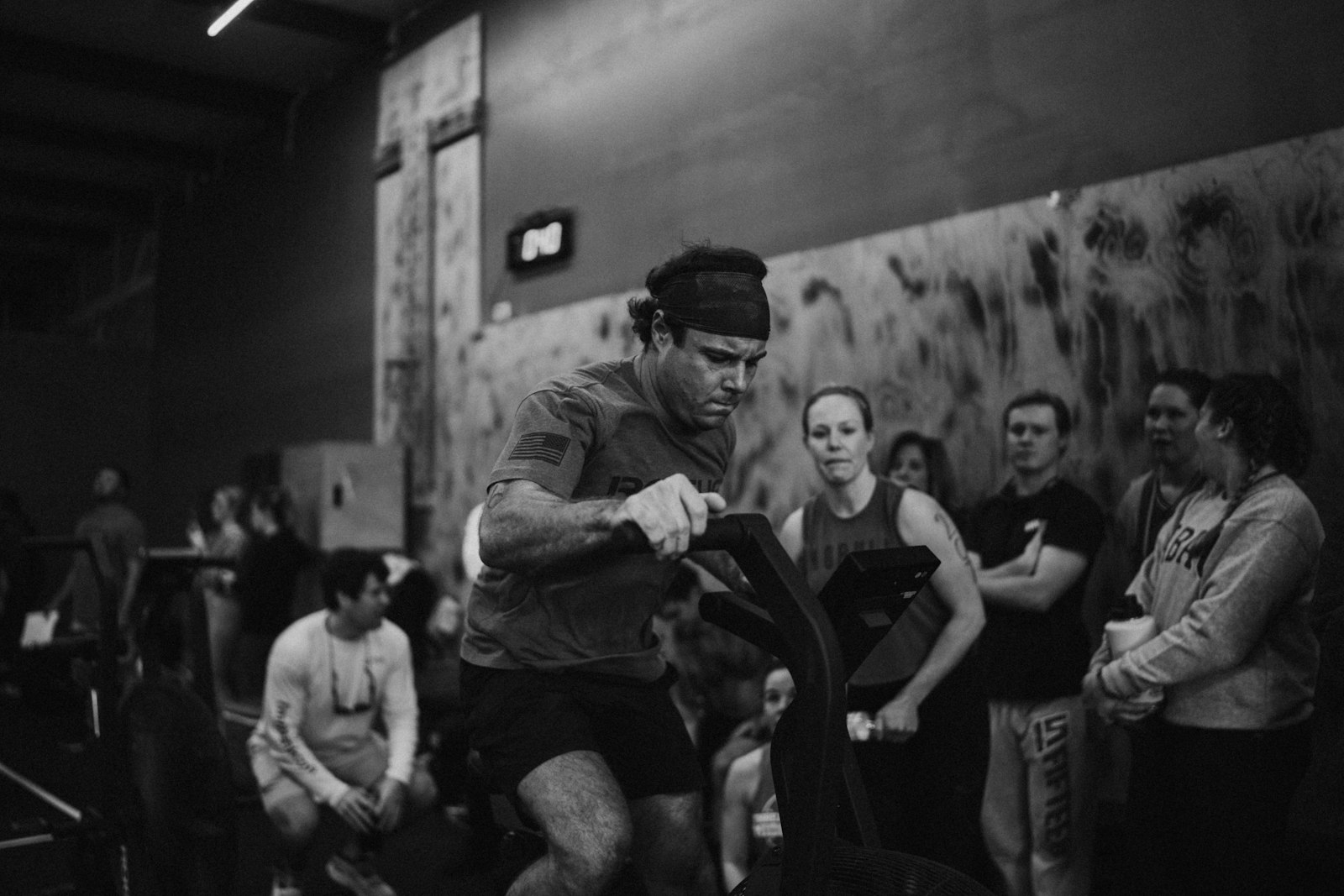
The effect is far less reliable — and sometimes reverses — in heavy compound lifts like the squat, deadlift, and bench press. When a lift requires maximal force production across multiple joints, an external, performance-based focus (drive the floor away, push the bar up) tends to produce equal or greater activation and often better bar speed than trying to consciously squeeze individual muscles.
Why Load Matters
A key pattern across the research: mind-muscle connection shows its biggest benefits at moderate loads, roughly 50-80% of one-rep max, where there's enough slack in the technical demand of the lift to allow attentional focus to influence recruitment. At near-maximal loads (85%+), the nervous system is already recruiting close to full available motor units just to move the weight, leaving little room for conscious focus to add anything on top.
Hypertrophy Outcomes: Does It Build More Muscle?
Activation studies are useful but indirect — the real test is whether internal focus produces more muscle growth over time. A handful of longitudinal training studies (8-12 weeks) comparing internal-focus and external-focus groups on isolation exercises have found small but real advantages in hypertrophy for the internal-focus groups, generally in the single-digit percentage range measured by ultrasound or circumference.
That's a real effect, but it's modest compared to the big levers in hypertrophy training: progressive overload, training volume, proximity to failure, and consistency. Mind-muscle connection functions more like a fine-tuning tool than a primary driver. If your volume and progression are poor, no amount of mental focus will compensate.
Resistance Bands for Isolation Work
Light resistance bands are ideal for practicing mind-muscle connection on isolation movements like lateral raises and triceps extensions without the ego-lift temptation of heavy plates.
Shop Resistance Bands →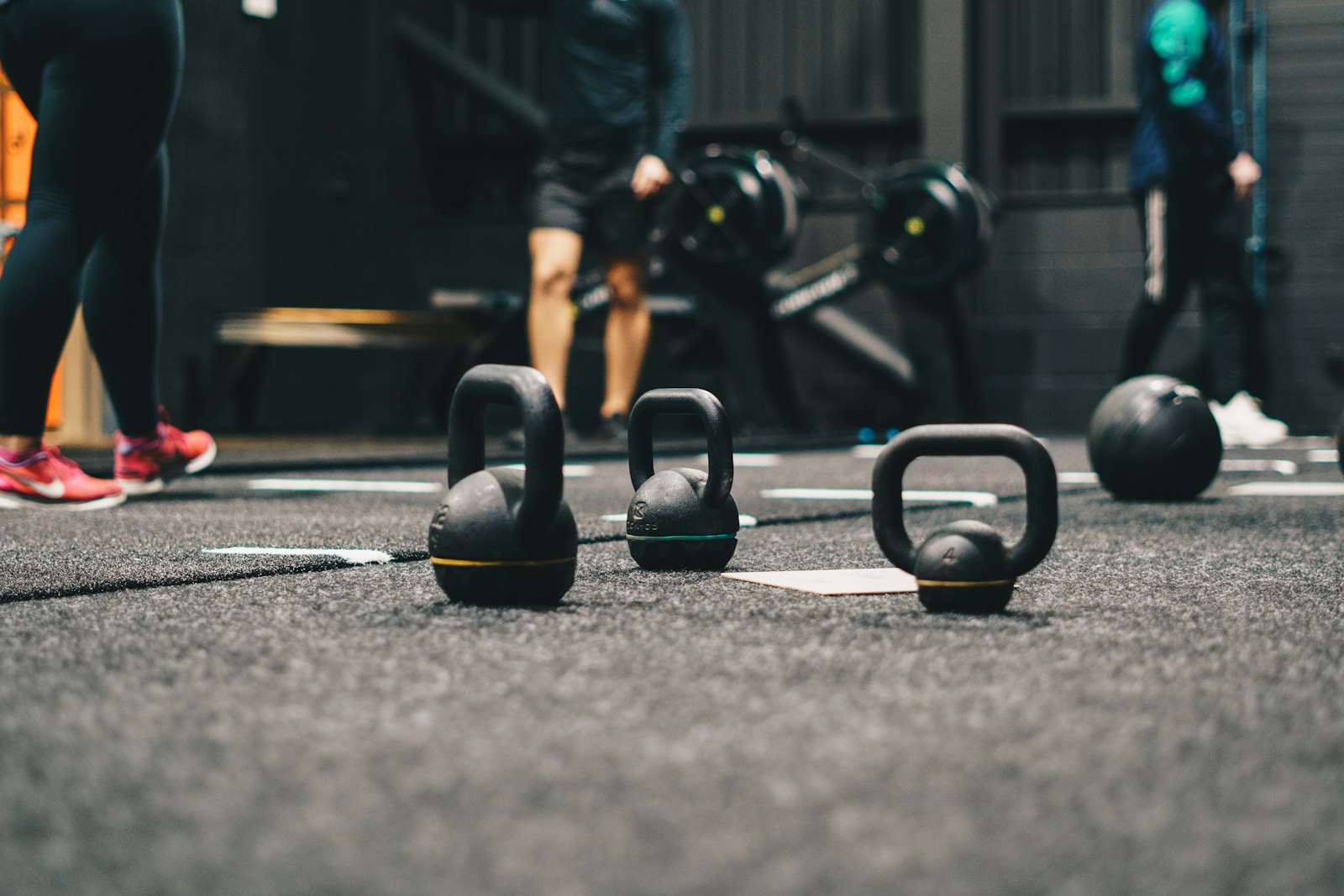
When MMC Helps Most
The research points to a fairly clear use case: mind-muscle connection is a legitimate tool for single-joint, isolation exercises performed at moderate loads and higher rep ranges, especially for lifters who already have a solid strength base. Think leg extensions for quads, cable flyes for chest, lateral raises for delts, and curls for biceps.
- Isolation exercises (single joint) show the clearest EMG benefit from internal focus
- Moderate loads (50-80% 1RM) and higher reps (10-20) give focus the most room to matter
- Experienced lifters tend to benefit more than beginners, who are still learning basic motor patterns
- Mind-muscle connection works best as a finishing-exercise strategy, not a strategy for your heaviest compound lifts
When It Doesn't Help (and May Hurt)
For heavy compound lifts — squat, deadlift, bench, overhead press — the evidence leans toward external, task-focused cues. Trying to consciously squeeze your glutes mid-squat or feel your chest on a heavy bench press can actually slow bar speed and reduce force output in some studies, because it pulls attention away from the mechanical task of moving the load efficiently.
Beginners are another group where MMC coaching tends to underdeliver. Early in a lifting career, most of the "gap" in performance is pure motor-learning — grooving the movement pattern safely and consistently. Layering on internal-focus cueing before technique is solid can slow progress rather than speed it up.
| Training Context | Best Focus Strategy |
|---|---|
| Heavy compound lifts (>80% 1RM) | External, performance-based focus ("drive the floor away") |
| Isolation exercises, moderate load | Internal focus, consciously squeeze target muscle |
| Beginner lifters, first 6-12 months | Prioritize movement pattern and external focus |
| Experienced lifters chasing hypertrophy | Blend: external focus on compounds, internal focus on isolation/accessory work |
| High-rep burnout sets, drop sets | Internal focus tends to enhance the fatigue/pump effect |
Practical Application: A Realistic Protocol
Based on the weight of evidence, the smartest approach isn't to pick a side — it's to match the focus strategy to the exercise and the goal. Start your session with your heaviest compound lifts using external, task-oriented cues focused on bar speed and ground contact. Save mind-muscle connection for the accessory and isolation work later in the session, when loads are lighter and the stimulus-to-fatigue ratio benefits from slower, more deliberate reps.
Tempo matters here too. MMC is far easier to apply with a controlled eccentric (2-3 seconds lowering) and a brief pause at peak contraction than with fast, bouncy reps. Slowing down naturally gives your nervous system more opportunity to selectively recruit the target muscle.
Support Recovery Between Focused Training Sessions
Quality protein and creatine monohydrate support the muscle repair process that mind-muscle connection training is ultimately working toward — intentional reps still need raw material to rebuild from.
Shop Recovery Essentials →The Bottom Line
Mind-muscle connection isn't bodybuilding folklore — the EMG and hypertrophy research gives it genuine, if modest, scientific support, specifically for isolation exercises at moderate loads. It is not a substitute for progressive overload, adequate volume, or sound technique on your main compound lifts, and overusing it there may actually cost you performance.
Treat it as a precision tool: external focus and raw force output for your heavy, foundational lifts, and deliberate, internally-focused reps for the isolation work that rounds out your physique. Used that way, mind-muscle connection earns its place in a well-built training program — not as a trend, but as a well-supported refinement.
Cable Attachments for Isolation Training
A quality cable handle or rope attachment makes it far easier to maintain constant tension and slow, controlled tempo — two conditions where mind-muscle connection shows its strongest research support.
Shop Cable Attachments →From across the network
More from the network on related topics: VitaminSupplyCenter · TestBoostLab · EliteRecoveryLab.