Coaches preach it, forums argue about it, and every lifter has been corrected mid-set — but how much does deadlift form really protect you, and how much is training folklore? Here's what the biomechanics and injury research actually says.
The Question Every Lifter Eventually Asks
Walk into any gym and you'll see coaches obsessing over deadlift form — neutral spine, hips loaded, bar close to the shins. But does chasing 'perfect' form actually reduce injury risk or boost performance, or is it gym folklore repeated so often it feels like fact?
The honest answer, based on biomechanics and epidemiology research, is more nuanced than most influencers admit. Form matters, but not always in the ways lifters assume, and the relationship between technique and injury is weaker than the internet suggests.
What Biomechanics Research Actually Shows
Studies using motion capture and force plates consistently find that lumbar spine flexion during deadlifts is nearly unavoidable under heavy load — even in elite powerlifters with textbook technique. The idea of a perfectly rigid 'neutral spine' throughout a max-effort pull is largely a coaching cue, not a biomechanical reality.
What the research does support is that excessive, uncontrolled flexion combined with high load and high volume correlates with greater tissue strain. In other words, some rounding isn't automatically dangerous, but losing positional control entirely — especially when fatigued — increases the mechanical demand on passive spinal structures rather than the muscles built to handle load.
Bar Path and Muscle Activation
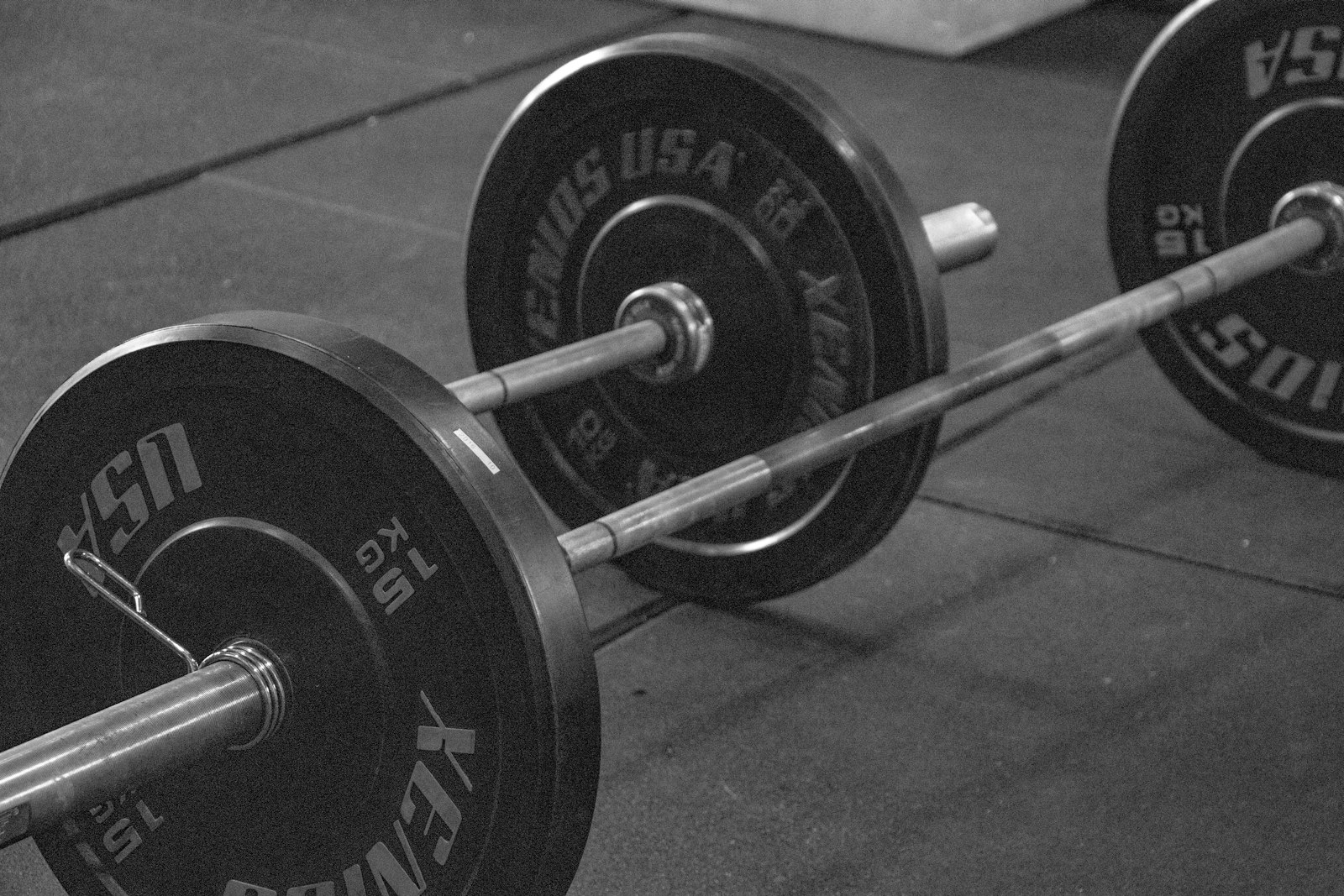
EMG research shows that keeping the bar close to the body reduces the external moment arm at the hip and lumbar spine, meaning the same weight feels — and mechanically is — lighter when the bar tracks close versus drifting forward. This is one of the few 'form cues' with strong, consistent evidence behind it across conventional, sumo, and trap-bar variations.
Injury Data: Correlation Isn't Causation
Epidemiological surveys of powerlifters and strongman athletes find that most deadlift-related injuries occur due to rapid load increases, insufficient recovery, or training through fatigue — not necessarily poor form on a single rep. Athletes who cycle heavy singles without adequate volume-based preparation report higher injury rates regardless of technique quality.
This doesn't mean form is irrelevant. It means form is one variable among several — training load management, sleep, recovery nutrition, and progressive overload all interact with technique to determine outcome. Blaming a single rounded-back rep in isolation oversimplifies a multifactorial picture.
Support Your Lower Back Between Sessions
A quality foam roller or percussion massage tool can help manage the muscular tightness that often accompanies heavy pulling days.
Shop Recovery Tools →
The Role of Bracing and Intra-Abdominal Pressure
One of the more consistently reproduced findings across strength research is that effective bracing — using the diaphragm and abdominal wall to increase intra-abdominal pressure — meaningfully increases spinal stability during heavy lifts. This is arguably more important than chasing a rigid neutral spine angle.
Coaches increasingly teach 'brace before you bend' as the priority cue, with spinal position treated as secondary. This shift reflects the research: stiffness and pressure management protect the spine more reliably than the exact degree of lumbar curve.
| Form Factor | Evidence Strength | Practical Takeaway |
|---|---|---|
| Bar path close to body | Strong | Reduces moment arm; consistently linked to lower perceived exertion |
| Perfect neutral spine | Moderate/Overstated | Some flexion is normal; avoid uncontrolled collapse, not all rounding |
| Bracing / IAP | Strong | One of the best predictors of spinal stability under load |
| Foot width / stance | Weak-Moderate | Individual anatomy matters more than a universal 'correct' stance |
| Grip type | Weak | Affects fatigue and hold time, not injury risk directly |
Where Individual Anatomy Changes the Picture
Femur length, torso length, and hip structure all influence what 'good form' looks like for a given lifter. Research comparing sumo and conventional stances shows meaningful differences in hip and knee torque depending on limb proportions, meaning a cue that works perfectly for one lifter may be mechanically disadvantageous for another.
This is why cookie-cutter form checklists from social media often fail — they ignore that the same bar position can represent excellent technique for one body type and poor leverage for another.
Fuel Recovery With Evidence-Backed Nutrients
Collagen peptides, magnesium, and omega-3s are among the most studied nutrients for supporting connective tissue and recovery in strength athletes.
Shop iHerb Recovery Picks →Realistic Expectations: What Form Can and Can't Do
Good deadlift form can reduce unnecessary strain, improve force transfer, and make training more sustainable over years, not just weeks. What it cannot do is guarantee zero injury risk — no technique fully eliminates risk under maximal load, repeated over time.
The most defensible, evidence-based approach treats form as risk management, not risk elimination. Pair sound technique with sensible programming: gradual load progression, planned deload weeks, and enough recovery between heavy sessions to let tissues adapt.
- Prioritize consistent bracing over chasing a rigid spine angle
- Keep the bar path close through the entire pull
- Increase load gradually — spikes in intensity are a bigger injury factor than minor form flaws
- Adjust stance and grip to your own leverages rather than copying a viral cue
- Track fatigue and recovery, since form often degrades most on tired, late-session reps
A Practical Framework for Training the Deadlift Long-Term
Rather than obsessing over a single 'correct' position, evidence supports a framework: brace hard, keep the bar close, move with control, and manage total training stress across the week. This approach respects both the biomechanics research and the reality that no two lifters move identically.
Reinforce Grip and Bracing Fundamentals
A quality lifting belt and chalk or grip aids can support the bracing and bar-control principles shown to matter most in deadlift research.
Shop Lifting Belts & Grip Gear →Bottom Line
Deadlift form isn't a myth, but it's also not the single deciding factor between injury and safety that gym culture often implies. The strongest evidence points toward bracing quality and bar path as the two variables worth prioritizing, while rigid ideas about spinal neutrality deserve more skepticism than they usually get.
Train the deadlift with intelligent progression, respect your own anatomy, and treat form as one tool — a powerful one — within a much bigger recovery and programming picture.
From across the network
More from the network on related topics: VitaminSupplyCenter · TestBoostLab · EliteRecoveryLab.