Beta-alanine is one of the most researched — and most misunderstood — supplements on the shelf. Here's what the science actually says about who benefits, by how much, and whether it deserves a spot in your stack.
What Beta-Alanine Actually Is
Beta-alanine is a non-essential amino acid that your body uses to synthesize carnosine, a compound stored in skeletal muscle. Carnosine acts as an intracellular buffer, helping neutralize hydrogen ions that accumulate during intense exercise and contribute to that familiar muscle-burning fatigue.
Unlike creatine, which has decades of near-universal research consensus, beta-alanine's story is more nuanced. It works through a specific mechanism, in specific rep and duration ranges, and the benefits are real but bounded. Understanding those boundaries is the difference between realistic expectations and disappointment.
The Mechanism: Why It Might Help
During high-intensity efforts lasting roughly 60 seconds to 4 minutes, muscle pH drops as hydrogen ions build up faster than your body can clear them. This acidosis is one of several factors linked to the burning sensation and force loss you feel during hard sets, sprints, or rounds.
Carnosine helps buffer some of that acid load. Since carnosine synthesis is rate-limited by beta-alanine availability (not the other precursor, histidine), supplementing with beta-alanine over time raises muscle carnosine concentrations meaningfully — studies show increases of 20-80% after 4-10 weeks of consistent daily dosing, depending on baseline levels and dose.
What the Research Actually Shows
A well-cited meta-analysis pooling dozens of controlled trials found beta-alanine produced a small but statistically significant improvement in exercise capacity, with the effect concentrated almost entirely in efforts lasting 1-4 minutes. Outside that window, benefits shrink toward zero.
For very short efforts (under 60 seconds, like a single heavy lift or a 100m sprint), buffering capacity matters less because acidosis hasn't had time to accumulate significantly. For long steady-state cardio (over 10 minutes), other fatigue mechanisms dominate and beta-alanine's buffering edge becomes negligible.
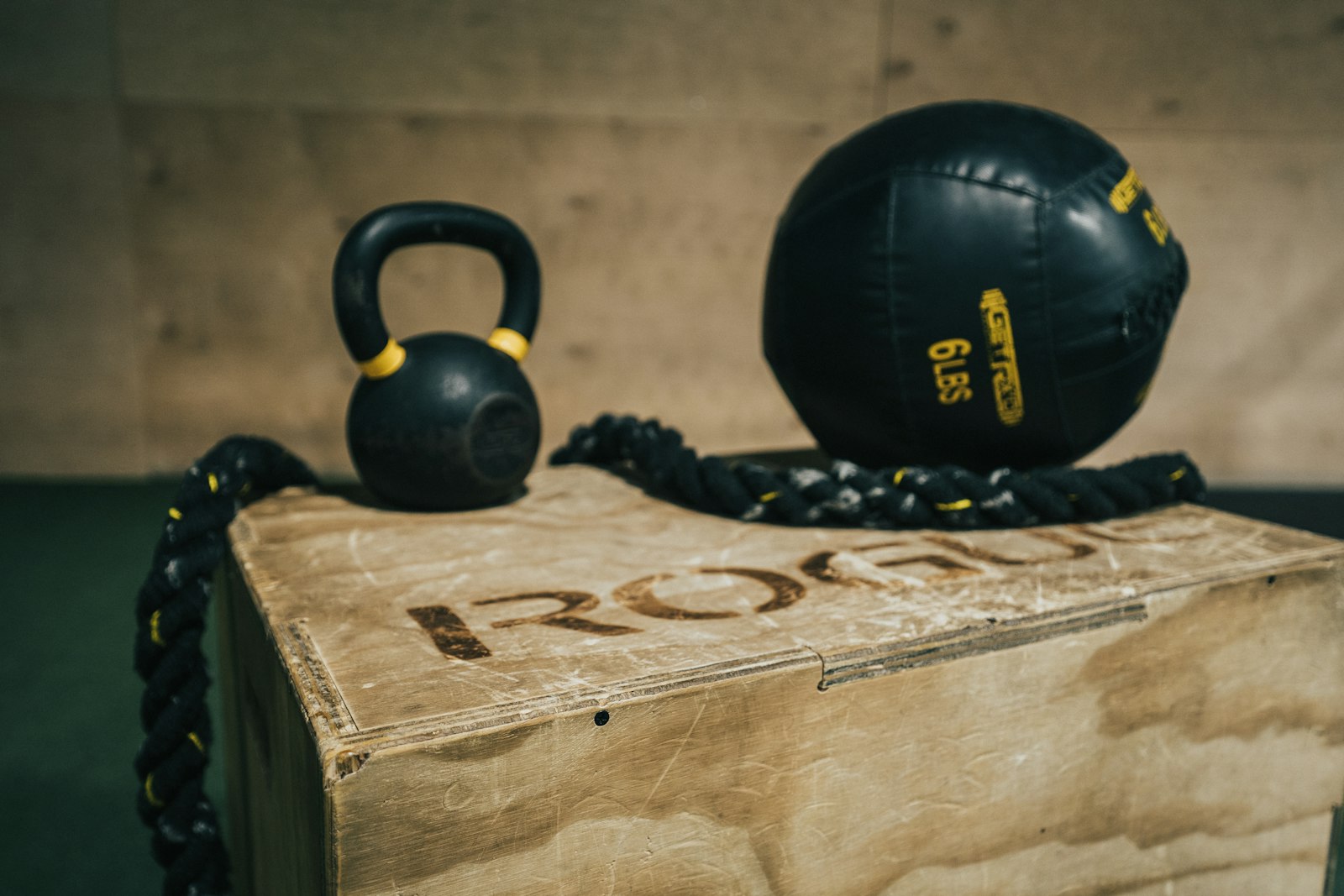
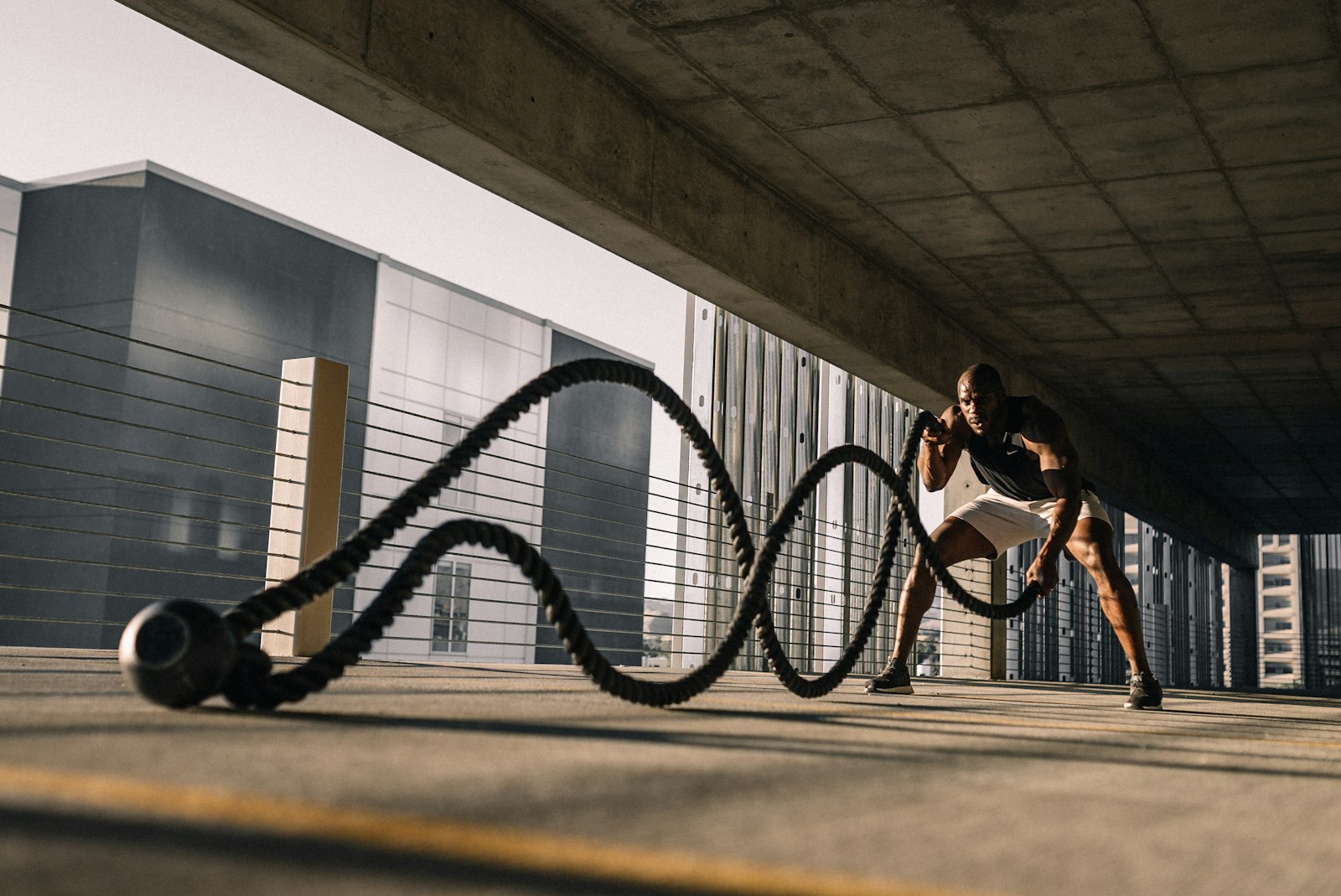
The sweet spot is repeated high-intensity efforts: think 400-800m runs, rowing intervals, wrestling or combat sports rounds, CrossFit-style metabolic conditioning, and multi-set training with short rest. In these contexts, several studies report meaningful improvements in total work capacity and delayed time-to-exhaustion — often in the range of a few percent, which is modest on paper but can be the difference between finishing a set or not.
| Exercise Type | Duration | Beta-Alanine Effect |
|---|---|---|
| Heavy single lifts / sprints | <60 seconds | Minimal to none |
| High-intensity intervals, combat rounds | 60 sec – 4 min | Best-supported benefit |
| Metabolic conditioning circuits | Repeated short efforts | Moderate benefit |
| Steady-state cardio | >10 minutes | Little to no benefit |
The Realistic Numbers
Most of the positive trials use daily doses of 3.2-6.4 grams, split into smaller doses to avoid paresthesia (the tingling sensation many users report), taken consistently for at least 4 weeks. This is not a pre-workout stimulant effect you feel in 20 minutes — it's a saturation strategy, closer to creatine loading than caffeine.
Effect sizes in the literature are typically small-to-moderate: a few percent improvement in repeated sprint performance, slightly higher training volume in high-rep resistance work, or a small delay in fatigue onset during interval efforts. It will not turn an average athlete into an elite one, and it won't compensate for poor programming or nutrition.
Where it earns its place is as a low-risk, well-tolerated addition for athletes whose training genuinely lives in that 1-4 minute intensity zone — rowers, wrestlers, MMA competitors, 400m-800m runners, and lifters doing high-volume metabolic work.
Source a Clean, Third-Party Tested Beta-Alanine
Look for a straightforward beta-alanine powder or capsule with no proprietary blends hiding the dose — you want to know exactly how many grams you're getting daily.
Shop Beta-Alanine on iHerb →The Tingling Isn't Dangerous — But It's Not Nothing
Paresthesia, that pins-and-needles skin sensation, is the most commonly reported side effect and shows up in a meaningful share of users, especially at higher single doses. It's harmless and temporary, caused by beta-alanine's interaction with skin nerve receptors, not an allergic reaction.
You can largely avoid it by splitting your daily dose into 2-3 smaller servings (around 1.5-2g each) rather than taking it all at once, or by choosing a sustained-release formulation. Some athletes don't mind the sensation and even use it as a rough marker that their dose has been absorbed.
Compare Sustained-Release Formulas
Sustained-release beta-alanine tablets are designed to blunt the tingling response while maintaining absorption — useful if paresthesia has been a barrier for you.
Browse on Amazon →Who Should Actually Consider It
Beta-alanine makes the most sense for athletes training in repeated high-intensity efforts: combat sports, rowing, swimming (100-400m events), team sport conditioning, and lifters running high-volume, short-rest hypertrophy or metabolic blocks.
It makes far less sense for pure strength athletes focused on 1-3 rep maxes, marathon runners, or anyone doing predominantly low-intensity steady-state work. In those cases, the physiological demand simply doesn't line up with what beta-alanine buffers.
- Combat sports (boxing, wrestling, MMA rounds)
- Rowing, swimming, and cycling intervals
- 400-800m running
- High-volume, short-rest resistance training
- CrossFit-style metabolic conditioning
Consider a Creatine + Beta-Alanine Stack
Creatine and beta-alanine target different fatigue mechanisms — one supports ATP regeneration, the other buffers acidosis — making them a logical, well-researched pairing for high-intensity training.
Shop Stack Options on Amazon →The Bottom Line
Beta-alanine works, but within a narrow and specific window. If your training genuinely involves repeated 1-4 minute high-intensity efforts, a consistent daily dose taken for several weeks can produce a real, measurable — if modest — improvement in work capacity and fatigue resistance.
If your training doesn't fall into that category, save your money for something with broader applicability, like creatine or simply better sleep and programming. Supplements amplify good training; they don't replace it. Beta-alanine is a legitimate, evidence-backed tool — just make sure it matches the shape of your actual training demands before you buy in.
From across the network
More from the network on related topics: VitaminSupplyCenter · TestBoostLab · EliteRecoveryLab.