Deadlifting builds more raw strength per rep than almost any other lift — but only if you dose the load, volume, and frequency correctly. Here's the evidence-based breakdown of how much is enough, how much is too much, and how to keep your spine on your side.
Why "Deadlift Dosage" Is the Wrong Question (And the Right One)
You don't "dose" deadlift form the way you dose caffeine or creatine — but the phrase isn't entirely off base. Your body absolutely has a dosage response to deadlifting: volume, intensity, and frequency all stack up like a supplement protocol, and getting the amount wrong is what turns the single best posterior-chain builder in strength training into a lower-back liability.
This guide treats deadlift "dosage" the way a sports scientist would — how much load, how many sets, how often per week — while also covering the supporting inputs (warm-up, bracing, recovery nutrition) that determine whether your spine gets stronger or gets hurt.
The Real Dosage Variables: Load, Volume, and Frequency
Three levers control your deadlift "dose," and manipulating the wrong one is the most common reason lifters plateau or tweak their backs.
- Load: working sets at 70-85% of your one-rep max build strength with manageable fatigue; anything above 90% should be reserved for singles or doubles, sparingly.
- Volume: 3-6 total weekly working sets of conventional or trap-bar deadlifts is enough stimulus for most intermediate lifters; doubling that without a reason usually just adds injury risk.
- Frequency: once or twice per week per movement pattern is the evidence-backed sweet spot — daily heavy deadlifting rarely outperforms it and taxes recovery capacity hard.
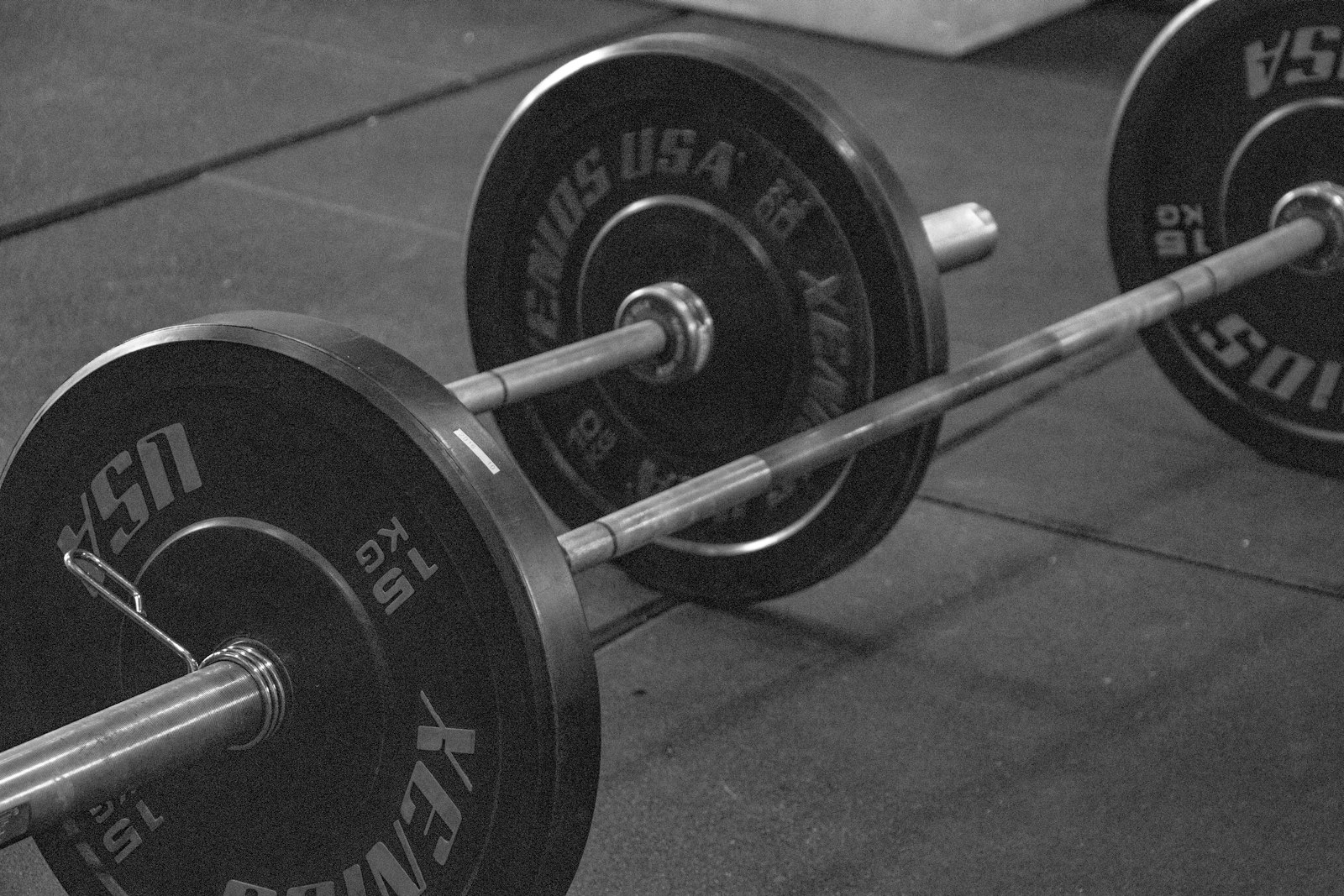
A Simple Weekly Template
Beginners do well with one heavy deadlift session (5x5 or similar) plus one lighter technique day. Intermediate and advanced lifters can split sessions by variation — conventional one day, Romanian or deficit deadlift another — to spread the "dose" without duplicating the same joint stress twice.
| Experience Level | Weekly Sets | Suggested Intensity |
|---|---|---|
| Beginner (0-1 yr) | 4-6 sets | 60-75% 1RM, focus on bar path |
| Intermediate (1-3 yr) | 6-10 sets | 70-85% 1RM, mixed rep ranges |
| Advanced (3+ yr) | 8-12 sets | 75-92% 1RM, periodized waves |
Form First: The Non-Negotiables
No loading scheme matters if the bar path is wrong. Before adding weight, lock in these checkpoints on every rep, every session.
- Bar stays within an inch of your shins and thighs throughout the pull — drifting forward is the single biggest cause of lower-back overload.
- Brace by taking a deep breath into your belly and tightening your core like you're about to be punched, not just sucking in your stomach.
- Hips and shoulders rise at the same rate off the floor; if your hips shoot up first, you're turning the lift into a stiff-legged good morning.
- Lock out with glutes, not lumbar hyperextension — think "stand tall," not "lean back."
Lock In Your Setup With a Lifting Belt
A properly fitted leather or nylon lifting belt gives your brace something to push against, reinforcing the intra-abdominal pressure that protects your spine under load.
Shop Lifting Belts →Warm-Up "Dosage": How Much Prep Before Heavy Pulls
Treat your warm-up like a ramp, not a chore. A practical protocol: 5 minutes of light cardio or hip hinges, then empty-bar reps, followed by 3-4 incremental jumps toward your top working weight (roughly 40%, 60%, 75%, 90% of the day's top set) with just 1-3 reps each. This primes the nervous system and grooves the bar path without burning volume you need for your work sets.
Recovery Inputs That Support Heavier Pulls
Deadlifting is one of the most systemically demanding lifts you can program, so recovery quality directly affects how much volume and intensity you can safely absorb week to week.
- Protein intake in the range typically recommended for strength athletes (roughly 1.6-2.2 g/kg bodyweight daily) supports the connective tissue and muscle repair heavy pulling demands.
- Sleep of 7-9 hours is when most of the neuromuscular adaptation from heavy lifting actually consolidates.
- Hydration and electrolyte balance matter more than people expect — dehydrated muscle is measurably weaker and more fatigue-prone under max-effort loads.
Fuel Recovery Between Heavy Pull Days
A quality magnesium or electrolyte formula can help support muscle relaxation and recovery after high-tension lifts like deadlifts, especially when training volume climbs.
Browse Recovery Essentials →Common Mistakes That Turn a Good Dose Into an Injury
Most deadlift injuries aren't caused by the exercise itself — they're caused by dosage errors stacked on top of form breakdowns.
- Jumping intensity too fast: adding 10+ lbs weekly without a deload eventually outpaces your tissue's adaptation rate.
- Chasing max singles too often: testing your 1RM more than once every 4-8 weeks adds unnecessary spinal loading with little strength payoff.
- Ignoring asymmetries: if one hip rises faster than the other, that's a form flag, not something to just "pull through."
- Skipping deload weeks: a planned lighter week every 4-6 weeks lets connective tissue catch up to the strength your muscles have already gained.
Support Hip Hinge Mechanics
A foam roller or resistance band set can help open up hip and hamstring mobility before pulling sessions, making it easier to maintain a neutral spine through the full range.
Shop Mobility Tools →The Bottom Line on Deadlift "Dosage"
There's no single magic number of sets, reps, or pounds that applies to every lifter — but the framework is consistent: prioritize clean form, keep weekly volume in the 4-12 set range depending on experience, intensify gradually, and respect recovery as part of the program, not an afterthought.
Get those inputs right and the deadlift remains what it's always been — the most efficient full-body strength builder in the gym, dosed correctly instead of overdone.
Protect Your Grip and Spine Under Heavy Loads
Lifting straps and chalk reduce grip failure on heavy pulls, letting your posterior chain — not your forearms — be the limiting factor.
Shop Deadlift Accessories →From across the network
More from the network on related topics: VitaminSupplyCenter · TestBoostLab · EliteRecoveryLab.