Caffeine is the most researched performance supplement on the market, yet most lifters either under-dose it or stack it blindly across coffee, pre-workout, and fat burners without ever checking the math. Here's the dose, timing window, and safety ceiling backed by actual sports science — not marketing copy.
Why Caffeine Still Beats Most Pre-Workout Trends
Caffeine is the most studied performance aid in sports nutrition, and the research consensus hasn't changed much because it doesn't need to — it works. It blocks adenosine receptors in the brain, which lowers perceived exertion, sharpens focus, and lets you push harder before your body tells you to stop.
What has changed is how much caffeine people are stacking into pre-workouts, fat burners, and coffee on top of each other. The dosing matters more than the source, and most lifters are either under-dosing on training days or stacking blind without realizing how much they've actually consumed.
The Dose-Response Curve: What the Research Actually Shows
Sports science has settled on a fairly tight window for ergogenic (performance-enhancing) effects. The relationship between caffeine and performance isn't linear — more isn't always better, and past a certain point you're just adding jitters and GI distress without extra output.
- 3-6 mg per kg of bodyweight is the range most consistently linked to improved strength, power, and endurance performance
- A 175 lb (80 kg) lifter lands in the 240-480 mg window — a wide range, so start low
- Doses above 6 mg/kg rarely produce additional performance benefit and increase side-effect risk
- Lower doses (1-3 mg/kg) still measurably reduce perceived exertion and can be a good starting point for beginners or caffeine-sensitive lifters
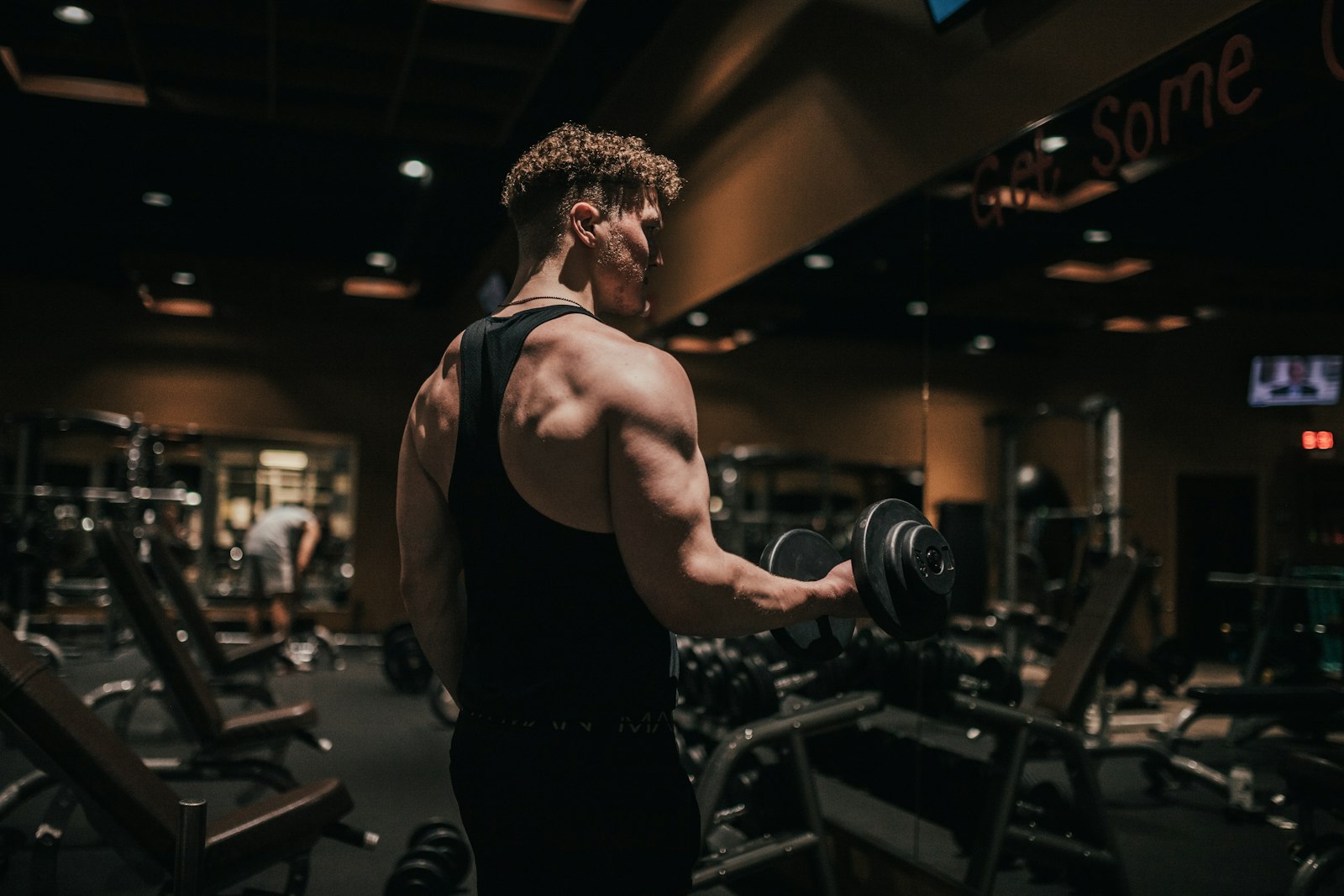
Best Timing for Training Day Caffeine
Caffeine peaks in the bloodstream roughly 30-60 minutes after ingestion, with a half-life of about 5 hours (longer for some people due to genetic variation in the CYP1A2 enzyme that metabolizes it).
For a hard lifting or conditioning session, take your dose 45-60 minutes pre-training. If you're training fasted or first thing in the morning, you can shorten that window slightly since an empty stomach speeds absorption. Training after 4-5pm is where most people run into sleep disruption — caffeine taken even 6 hours before bed can measurably reduce total sleep time and deep sleep quality.
Dial In Your Dose With Measured Caffeine
Capsule and tablet forms make it easy to hit an exact mg target instead of guessing with coffee or energy drinks.
Shop Caffeine Supplements →Caffeine Forms: Coffee vs. Capsules vs. Pre-Workout Blends
Each delivery method has tradeoffs beyond just convenience.
- Coffee: Slower, more gradual absorption due to other compounds (chlorogenic acids); dosing is inconsistent cup to cup
- Anhydrous caffeine capsules/tablets: Precise, fast-absorbing, easiest way to hit a specific mg/kg target
- Pre-workout powders: Often combine caffeine with beta-alanine, citrulline, and L-theanine — convenient but check the label, as total caffeine can run 150-400mg per scoop
- Energy drinks: Similar caffeine levels to pre-workouts but often paired with sugar or artificial sweeteners worth factoring into daily intake
| Bodyweight | Low Dose (3 mg/kg) | Moderate (5 mg/kg) | Upper Range (6 mg/kg) |
|---|---|---|---|
| 130 lb (59 kg) | ~175 mg | ~295 mg | ~355 mg |
| 155 lb (70 kg) | ~210 mg | ~350 mg | ~420 mg |
| 180 lb (82 kg) | ~245 mg | ~410 mg | ~490 mg |
| 205 lb (93 kg) | ~280 mg | ~465 mg | ~560 mg |
Stacking L-Theanine to Smooth Out the Jitters
One of the more practical upgrades to a caffeine routine is pairing it with L-theanine, an amino acid found naturally in green tea. Research on the combination shows it can reduce the jittery, anxious edge of caffeine while preserving the focus and alertness benefits — typically at a 1:1 or 2:1 theanine-to-caffeine ratio (e.g., 200mg theanine with 100-200mg caffeine).
Smooth Out Caffeine Jitters With L-Theanine
Pair a measured theanine dose with your pre-workout caffeine to keep the focus without the shakiness.
Check Price on Amazon →Building Tolerance — and When to Cycle Off
Daily caffeine use builds tolerance through upregulation of adenosine receptors, meaning the same dose produces a smaller effect over time. If your usual pre-workout dose stopped doing much of anything, that's the signal.
A practical reset is a 7-10 day period of significantly reduced intake (under 50mg/day, or zero if you can manage it) before a key training block or competition. Most people regain noticeable sensitivity within that window, and the first dose back often feels nearly as strong as when they started.
Safety Limits and Who Should Be Cautious
Health authorities generally cite 400mg/day as a reasonable upper limit for healthy adults, though that figure includes all sources — coffee, tea, pre-workout, soda, and chocolate combined, not just your training dose.
Caffeine sensitivity is heavily influenced by genetics, so two lifters at the same bodyweight can have very different tolerances. Pregnant individuals, people with anxiety disorders, arrhythmias, or uncontrolled hypertension, and anyone on stimulant medications should talk to a doctor before adding a dedicated caffeine supplement on top of normal dietary intake.
- Avoid stacking multiple caffeine sources (coffee + pre-workout + fat burner) without adding up total mg
- Watch for symptoms of overdose: rapid heartbeat, tremors, nausea, or anxiety spikes
- Caffeine anhydrous in capsule form is easy to overdose on precisely because it's so concentrated — always check serving size
Precision Digital Scale for Supplement Dosing
Weighing powdered caffeine or stacking multiple scoops accurately starts with a reliable milligram-capable scale.
View on Amazon →The Bottom Line
Caffeine remains one of the few supplements with a genuinely strong evidence base behind it — but the benefit curve is real and finite. Dose by bodyweight (3-6 mg/kg), time it 45-60 minutes before training, keep total daily intake in view across every source, and cycle off periodically to keep your response sharp. Done right, it's still one of the cheapest, most effective tools in your training arsenal.
From across the network
More from the network on related topics: VitaminSupplyCenter · TestBoostLab · EliteRecoveryLab.