Beta-alanine is one of the few sports supplements with genuinely consistent research behind it — but it only works for a specific type of training, and dosing it wrong is the fastest way to waste your money or spend a workout tingling instead of training. Here's what the evidence actually shows, who should bother, and how to dose it correctly.
What Beta-Alanine Actually Does
Beta-alanine is a non-essential amino acid that your body combines with L-histidine to form carnosine, a compound stored in skeletal muscle. Carnosine acts as an intracellular buffer, soaking up hydrogen ions that accumulate during high-intensity exercise and contribute to the burning, fatigued sensation that forces you to slow down or stop.
Supplementing with beta-alanine raises muscle carnosine concentrations over time, which is the entire mechanism behind its performance benefits. Unlike caffeine or creatine, beta-alanine doesn't work acutely — its value comes from consistent daily dosing that builds carnosine stores over several weeks.
The Evidence: What It's Actually Good For
The research on beta-alanine is some of the more consistent data in the sports nutrition space, particularly for a narrow but well-defined window of exercise intensity and duration.
Multiple controlled trials and meta-analyses point to meaningful benefits for high-intensity exercise lasting between roughly 60 seconds and 4 minutes — think 400m sprints, wrestling rounds, HIIT circuits, or repeated Olympic lifting efforts. Outside that window, benefits shrink considerably. For very short efforts (under 60 seconds) or steady endurance work lasting well beyond 4 minutes, the buffering effect has less time to matter.
- Improved total work capacity in high-intensity interval training
- Delayed onset of neuromuscular fatigue during repeated sprints
- Modest gains in muscular endurance for sets in the 8-15 rep range
- Potential benefit for combat sports and team sports involving repeated bursts
Who Benefits Most
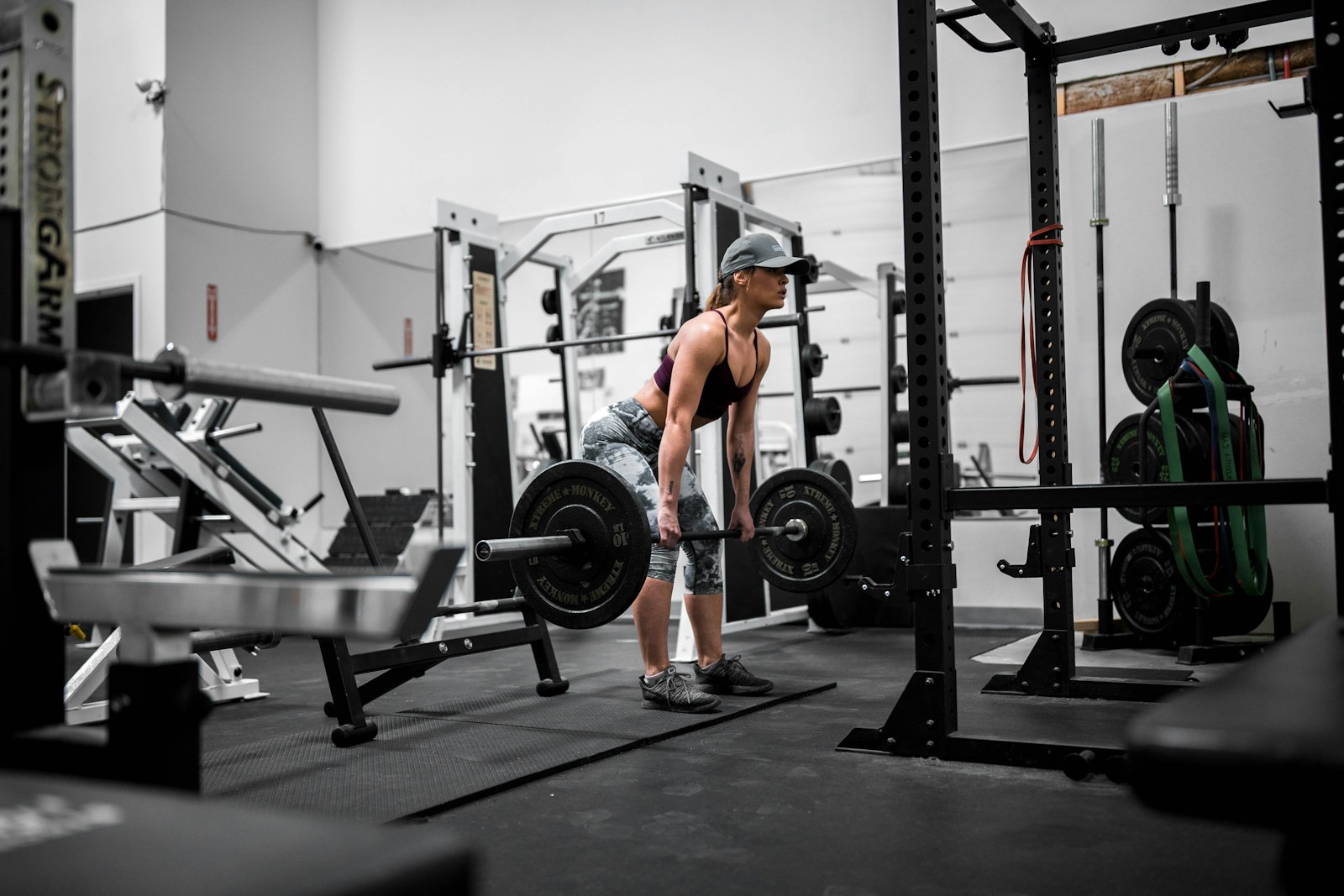
Athletes and lifters who benefit most are those doing repeated high-intensity efforts: CrossFit competitors, wrestlers, boxers, soccer and basketball players, and anyone doing metabolic conditioning circuits. If your training is mostly heavy low-rep strength work (1-5 reps) or long steady-state cardio, expect minimal carryover — beta-alanine simply isn't targeting the energy systems most taxed in those scenarios.
Source a Clean Beta-Alanine Supplement
iHerb carries third-party tested beta-alanine powders and capsules from established sports nutrition brands, often at better value than single-ingredient products sold elsewhere.
Shop Beta-Alanine on iHerb →The Tingling: Paresthesia Explained
The most talked-about side effect of beta-alanine is paresthesia — a tingling, flushing, or prickling sensation on the skin, usually felt in the face, neck, and hands within 15-20 minutes of taking a dose. It's harmless and temporary, generally resolving within an hour.
Paresthesia is dose-dependent: it tends to show up at single doses above roughly 800mg-1g and becomes more pronounced as dose size increases. It's not an allergic reaction and there's no evidence it causes any lasting harm, but for some people it's uncomfortable enough to be a dealbreaker in a pre-workout blend.
How to Dose It Without the Tingles
The standard research-backed approach is to split beta-alanine into smaller doses spread across the day rather than taking one large bolus. This dramatically reduces or eliminates paresthesia while still delivering the same total daily carnosine-loading benefit.
Because beta-alanine works by accumulation, timing around your workout is largely irrelevant — what matters is total daily intake over weeks, not when you take it relative to training.
- Effective daily range: 3.2g to 6.4g per day
- Split into 2-4 doses of 800mg-1.6g each to minimize tingling
- Loading phase: most benefits appear after 2-4 weeks of consistent daily use
- Maintenance: carnosine stores decline gradually if you stop, over several weeks
| Daily Dose | Typical Effect | Paresthesia Risk |
|---|---|---|
| 1.6g/day | Slow carnosine build-up, modest benefit | Low |
| 3.2g/day (split) | Standard effective range for most athletes | Low-moderate if split |
| 4.8g-6.4g/day (split) | Higher-end loading, faster saturation | Moderate unless doses are small |
| Single dose 3g+ | Not recommended | High |
Compare Beta-Alanine Powder Options
Bulk beta-alanine powder lets you dial in precise, split doses to control tingling while hitting the full 3.2-6.4g daily research range.
Shop Beta-Alanine Powder →Safety Profile and Who Should Be Cautious
Beta-alanine has a favorable long-term safety record in the research literature, with studies running up to several months at standard doses without evidence of organ toxicity or serious adverse events. It is not a stimulant and does not carry the cardiovascular considerations associated with caffeine-heavy pre-workouts.
That said, a few groups should approach it thoughtfully. Anyone with a diagnosed condition affecting amino acid metabolism should check with a physician before starting. Pregnant or breastfeeding individuals lack sufficient safety data and should avoid supplementation. If tingling is severe or paired with any other symptoms, discontinue and consult a healthcare provider — while rare, it's worth ruling out unrelated causes.
- Not recommended alongside undiagnosed skin or nerve conditions without medical input
- Combine cautiously with other high-dose amino acid stacks to avoid unnecessary overlap
- Choose products that disclose exact beta-alanine content per serving — proprietary blends make dosing guesswork impossible
Build a Smarter Performance Stack
Pair beta-alanine with creatine monohydrate and electrolytes from iHerb's sports nutrition catalog to cover the three most evidence-backed performance basics in one order.
Browse Performance Stack Essentials →The Bottom Line
Beta-alanine earns its place among the small handful of supplements with real, repeatable research behind it — but only for the right kind of training. If your sessions involve repeated high-intensity bouts in the 1-4 minute range, a properly split 3.2-6.4g daily dose taken consistently for at least a month is a reasonable, low-risk addition. If your training doesn't hit that intensity window, your money is better spent elsewhere.
From across the network
More from the network on related topics: VitaminSupplyCenter · TestBoostLab · EliteRecoveryLab.