Grinding out sets until your muscles physically quit demands more from your body than moderate training ever will. Here's the ranked, science-backed stack that actually supports failure training in 2026 — no proprietary-blend guesswork included.
Why Training To Failure Changes Your Supplement Math
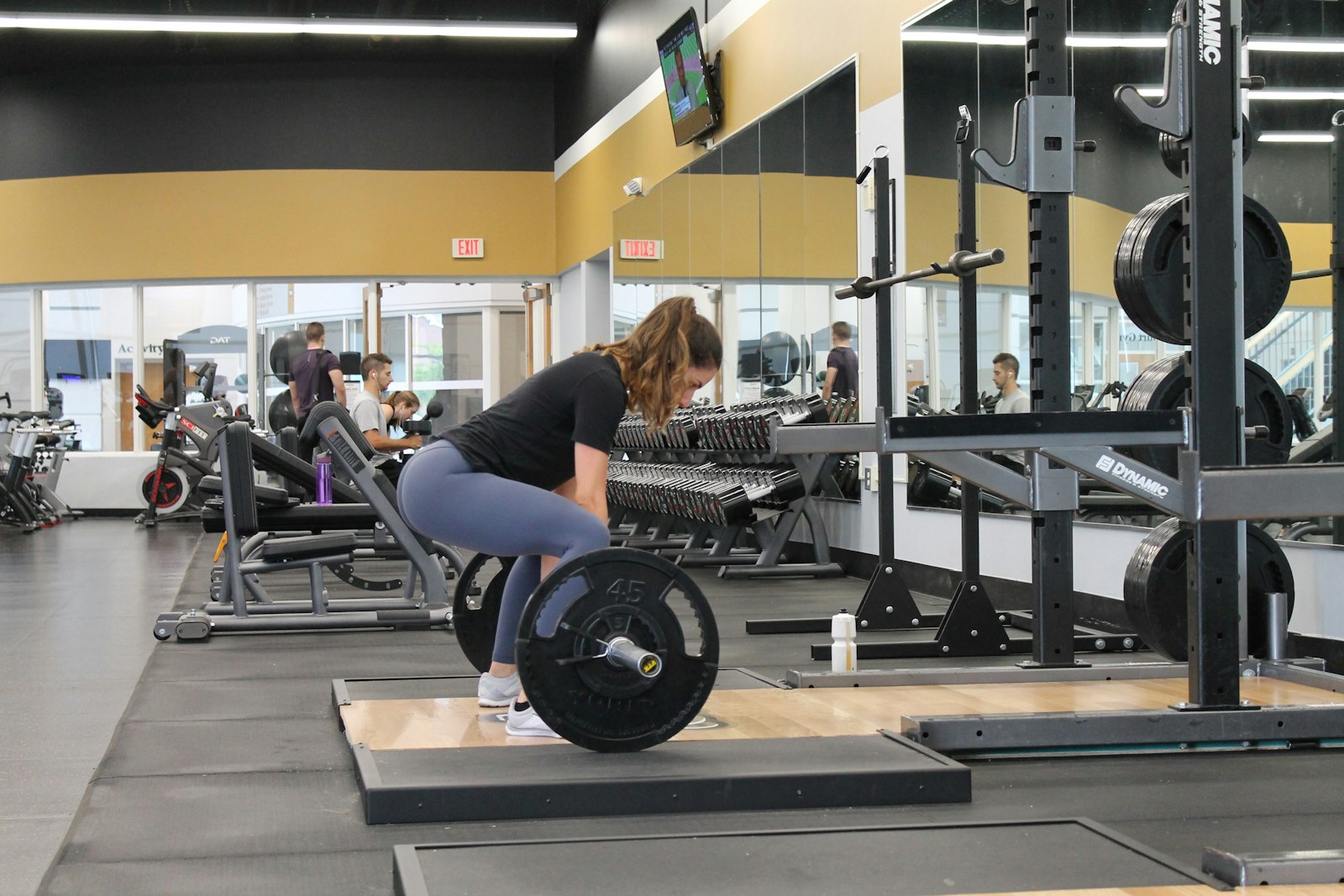
Training to failure — pushing a set until your muscle physically cannot complete another rep with good form — is one of the most potent tools for hypertrophy and strength. It recruits high-threshold motor units, maximizes metabolic stress, and forces adaptation. But it's also brutal on your recovery systems: it depletes phosphocreatine faster, spikes muscle damage markers, and taxes your central nervous system more than sets stopped a few reps shy.
That means the supplement stack that works fine for moderate-intensity training often falls short when you're regularly grinding out failure sets. You need ingredients that support ATP regeneration, buffer fatigue, and accelerate the repair window. Below is a ranked, evidence-based breakdown of what actually earns a spot in a failure-focused training program.
What The Research Actually Supports
Not every supplement marketed to lifters deserves a place here. We're prioritizing ingredients with consistent human trial data on strength output, fatigue resistance, or recovery — not proprietary blends with vague dosing.
The four categories below repeatedly show up in peer-reviewed sports science literature as genuinely effective for high-intensity resistance training.

1. Creatine Monohydrate — The Non-Negotiable Base
Creatine remains the most researched ergogenic supplement in existence. By replenishing phosphocreatine stores, it directly supports the energy system you tax hardest when grinding out failure reps. Studies consistently show improved repetition volume and strength gains when creatine is combined with resistance training, especially in protocols involving high-intensity, short-rest sets.
Dosing: 3-5g daily of creatine monohydrate, taken any time of day, with consistency mattering more than timing. A loading phase (20g/day split into doses for 5-7 days) can saturate muscle stores faster, but isn't required.
2. Beta-Alanine — Buffering The Burn
When you push to failure, hydrogen ion accumulation in muscle tissue is a major driver of that burning fatigue that forces you to stop. Beta-alanine raises intramuscular carnosine levels, which helps buffer that acidity, extending the number of quality reps you can grind out before failure hits.
Dosing: 3.2-6.4g daily, split into smaller doses to minimize the harmless tingling (paresthesia) some users notice. Effects build over 2-4 weeks of consistent use, so this is a supplement for lifters committed to a longer training block.
3. Citrulline Malate — Blood Flow And Delayed Fatigue
Citrulline malate improves nitric oxide production, supporting blood flow to working muscles during high-effort sets. Research on resistance training performance shows it can modestly increase reps to failure and reduce perceived soreness in the days following intense sessions.
Dosing: 6-8g roughly 30-60 minutes pre-training. Note that many pre-workout blends underdose this ingredient significantly below the studied range.
4. Essential Amino Acids / Leucine-Rich Protein — The Repair Signal
Failure training generates meaningfully more muscle protein breakdown than sub-maximal sets. Leucine specifically triggers the mTOR pathway responsible for muscle protein synthesis, and having adequate essential amino acids available post-session accelerates that repair window.
Dosing: 20-40g of a complete protein source (or 8-10g EAAs with 2-3g leucine) within a couple hours of training. Total daily protein intake matters more than exact timing, but post-failure sessions benefit from having amino acids readily available.
Stock The Foundation First
A pure, third-party-tested creatine monohydrate is the single highest-leverage purchase for anyone training to failure regularly. iHerb carries reputable options at prices that make daily use a non-issue.
Shop Creatine on iHerb →| Supplement | Best For | Typical Daily Dose | Time To Notice Effects |
|---|---|---|---|
| Creatine Monohydrate | Strength & rep volume | 3-5g | 2-4 weeks |
| Beta-Alanine | Buffering fatigue in 60-180 sec sets | 3.2-6.4g | 2-4 weeks |
| Citrulline Malate | Pump & endurance in sets to failure | 6-8g pre-workout | Acute (single dose) |
| EAAs / Whey Protein | Post-failure muscle repair | 20-40g post-training | Cumulative over weeks |
Who Actually Needs This Stack
Not every lifter needs to stack all four. If you're training to failure only occasionally — say, a final set on isolation exercises — creatine alone covers most of your bases. But if failure training is a structural part of your program (think high-frequency hypertrophy blocks, drop sets, or rest-pause training), the full stack becomes far more justifiable.
Intermediate to advanced lifters running higher training volumes at high intensity are the clearest candidates. Beginners should prioritize consistent progressive overload and protein intake first; supplements amplify a solid program, they don't replace one.
Extend Your Reps Before Failure Hits
A clean, unflavored beta-alanine powder lets you dose precisely into your pre-workout without guessing at proprietary blend amounts.
Find Beta-Alanine →Push Pump And Endurance Further
Look for citrulline malate dosed at 6-8g per serving — the range actually used in performance studies, not the fraction found in most blended pre-workouts.
Shop Citrulline Malate →Stacking Order And Practical Timing
A simple, sustainable approach: take creatine daily regardless of training day, dose beta-alanine with meals to spread it out, drink citrulline malate 30-60 minutes before your session, and hit your protein/EAA target within a couple hours post-training.
None of these ingredients require cycling off, and none show meaningful interaction risks with each other at standard doses. The real variable is consistency — creatine and beta-alanine specifically only show their full benefit after weeks of steady use, not single-day dosing before a big lift.
Cover The Repair Window
A leucine-forward EAA or whey isolate makes hitting your post-failure protein target simple, especially on days when a full meal isn't practical right after training.
Browse EAA & Whey Options →The Bottom Line
Training to failure is a legitimate, effective intensity technique — but it asks more of your recovery capacity than moderate training does. Creatine monohydrate is the clear first purchase for anyone in this camp, with beta-alanine and citrulline malate as strong second additions once you're training to failure multiple times per week. Round it out with adequate leucine-rich protein, and you've built a stack backed by real data rather than marketing hype.
From across the network
More from the network on related topics: VitaminSupplyCenter · TestBoostLab · EliteRecoveryLab.