A squat rack is the one home gym purchase where cutting corners can genuinely hurt you — here's how to evaluate steel gauge, safety mechanisms, and footprint before you spend a single dollar on 2026's best racks.
Why The Rack Is The One Piece Of Equipment You Don't Cheap Out On
A cracked phone screen is an inconvenience. A rack that buckles under a loaded barbell is a trip to the ER. Every other piece of home gym equipment is a nice-to-have — the rack is the load-bearing skeleton your training survives or fails on. Get it wrong and you're either training scared (never a good place mentally for progressive overload) or you're one missed rep away from a real injury.
This guide breaks down what actually matters when buying a squat rack or half rack in 2026: steel gauge, footprint, safety mechanisms, and the accessories worth paying for. No fluff, no hype — just what separates a rack that lasts fifteen years from one that wobbles by month three.
Full Rack vs. Half Rack vs. Squat Stand: Pick Your Footprint
The biggest decision isn't brand — it's category. Each has real tradeoffs in space, safety, and versatility.
- Full power rack (four posts): Maximum safety with pin/pipe safeties on both sides, plus room for pull-up bars, dip attachments, and band pegs. Needs the most floor space, typically 4x4 ft or larger footprint.
- Half rack (two posts + rear safety arms or straps): Nearly all the safety of a full rack in roughly half the depth. The sweet spot for garage gyms with limited square footage.
- Squat stand (independent posts, no rear connection): Smallest footprint and often foldable, but offers less lateral stability and usually skips integrated safety arms — you're relying on spotter arms bolted separately.
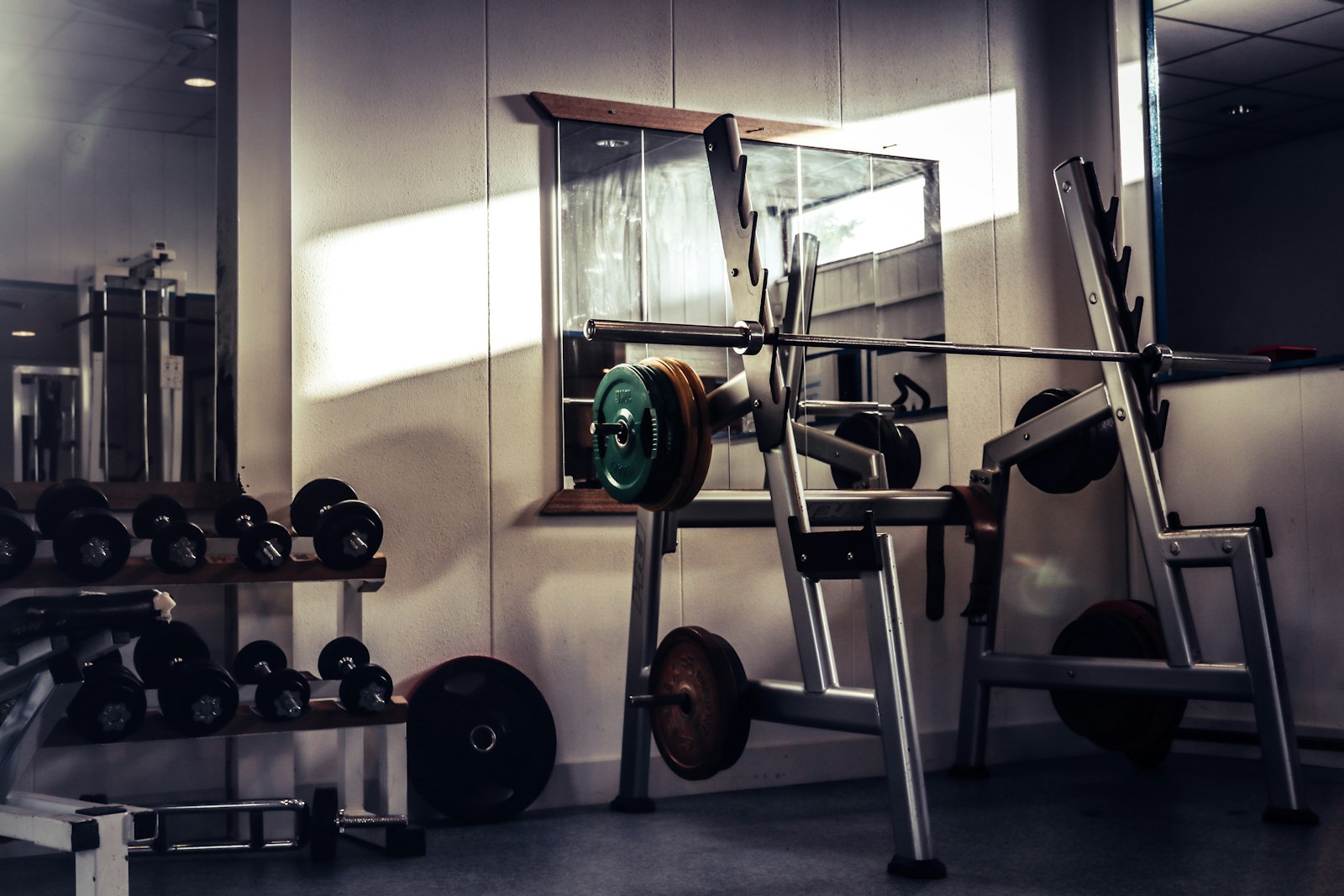
Steel Gauge: The Number That Actually Predicts Longevity
Gauge measures steel thickness — and confusingly, a lower number means thicker steel. Most budget racks use 14-gauge steel; serious racks use 11-gauge or thicker (7-gauge on some premium competition rigs).
11-gauge steel is roughly 30% thicker than 14-gauge. That difference matters most at the weld points and where the J-cups or safety pins insert — thinner steel flexes and eventually develops play in the holes, which is how a rack starts feeling 'loose' after a year of heavy use.
For anyone squatting or benching over 300 lbs regularly, 11-gauge steel isn't a luxury, it's the baseline. Below that threshold, well-built 14-gauge racks can still serve casual lifters fine — just don't expect them to hold up to years of max-effort work.
| Rack Type | Typical Footprint | Best For | Steel Gauge To Look For |
|---|---|---|---|
| Full power rack | 48" x 48"+ | Home gyms with dedicated space | 11-gauge or thicker |
| Half rack | 24"-42" deep | Garages, spare rooms, limited space | 11-14 gauge |
| Squat stand | Varies, often foldable | Small apartments, minimalist setups | 14-gauge (verify weld quality) |
| Wall-mounted folding rack | Under 6" deep when folded | Studios, multi-use rooms | 11-14 gauge |
Safety Mechanisms: Where Most Buyers Get It Wrong
Westside hole spacing (tighter spacing through the bench and squat zones, wider elsewhere) lets you fine-tune J-cup and safety height in 1-inch increments where it counts most — right around your unrack and catch positions. Uniform wide spacing across the whole rack is cheaper to manufacture but can leave you stuck adjusting height in awkward 3-4 inch jumps exactly where precision matters.

Compare Half Racks By Steel Gauge
Browse current half rack listings and filter by steel gauge, footprint, and safety arm type before you commit.
Shop Half Racks →J-Cups, Spotter Arms, and the Accessories Worth Paying For
The rack itself is only half the equation — what touches your barbell matters for both bar sleeve longevity and noise level.
J-cups lined with UHMW plastic (ultra-high-molecular-weight polyethylene) protect your barbell's finish and rack racking arms far better than bare steel or cheap rubber, and they're nearly silent when setting the bar down. Spotter arms (as opposed to pin/pipe safeties) are a middle-ground option that catch a bar via a shorter, angled arm rather than a full-width pipe — fine for lighter accessory work, less ideal as your only safety for heavy squats.
- UHMW J-cups: quieter, protect bar finish, worth the upgrade over stock plastic
- Multi-grip pull-up bar: adds volume to a half rack without extra footprint
- Band pegs: cheap add-on that unlocks accommodating resistance training
- Weight plate storage posts: keeps loose plates off the floor and off your feet
Bolt-Down vs. Freestanding: What Your Floor Can Handle
Freestanding racks rely on footprint and loaded weight (plus sometimes weight plates on the base) for stability — fine for most half racks used within normal rep ranges. Bolt-down racks anchor directly into concrete and are non-negotiable if you're doing heavy strongman-style work, kipping pull-ups, or banded work that puts serious lateral force on the frame.
If you're in a rented space or over a finished basement, check with your landlord or contractor before drilling — but for anyone with a garage slab, bolting down a half rack takes an hour and removes tip-over risk entirely, especially with kids or pets around.
Upgrade To UHMW J-Cups
A small, inexpensive swap that protects your barbell's finish and cuts down rack noise significantly during heavy sets.
Shop J-Cups →Assembly Quality Checks Before You Trust It With Max Weight
Even a well-designed rack can be undermined by sloppy assembly. Before your first heavy session, check that every bolt is torqued to spec (not just hand-tight), that the rack sits perfectly level on the floor with no rocking, and that J-cups and safety arms slide into their holes without excessive play or wobble.
Give the uprights a firm push test from the side — a properly assembled half rack shouldn't shift or sway more than a fraction of an inch. If it does, recheck your hardware before loading a single plate.
Explore Full Power Racks With Pin/Pipe Safeties
For dedicated home gym spaces, a full four-post rack offers maximum rigidity and true competition-style safety arms.
Shop Power Racks →The Bottom Line
Buy the thickest steel gauge your budget allows, prioritize pin-and-pipe safeties if you're chasing PRs, and don't underestimate footprint planning — a rack you have to squeeze past every day is a rack you'll eventually stop using. Get these fundamentals right and your rack will outlast several barbells, plate sets, and training cycles to come.
From across the network
More from the network on related topics: VitaminSupplyCenter · TestBoostLab · EliteRecoveryLab.