The "anabolic window" myth won't die, but the science on protein timing has actually gotten more useful — not less. Here's exactly which protein forms work for which window, how much to take, who really needs them, and the picks worth your money in 2026.
Does Protein Timing Actually Matter?
For decades, the 'anabolic window' was gym gospel — chug your shake within 30 minutes post-workout or lose your gains. The science has matured since then. Total daily protein intake and per-meal leucine threshold matter far more than hitting a narrow window, but timing isn't irrelevant — it's a lever you pull when convenience, appetite, or training frequency make whole-food meals impractical.
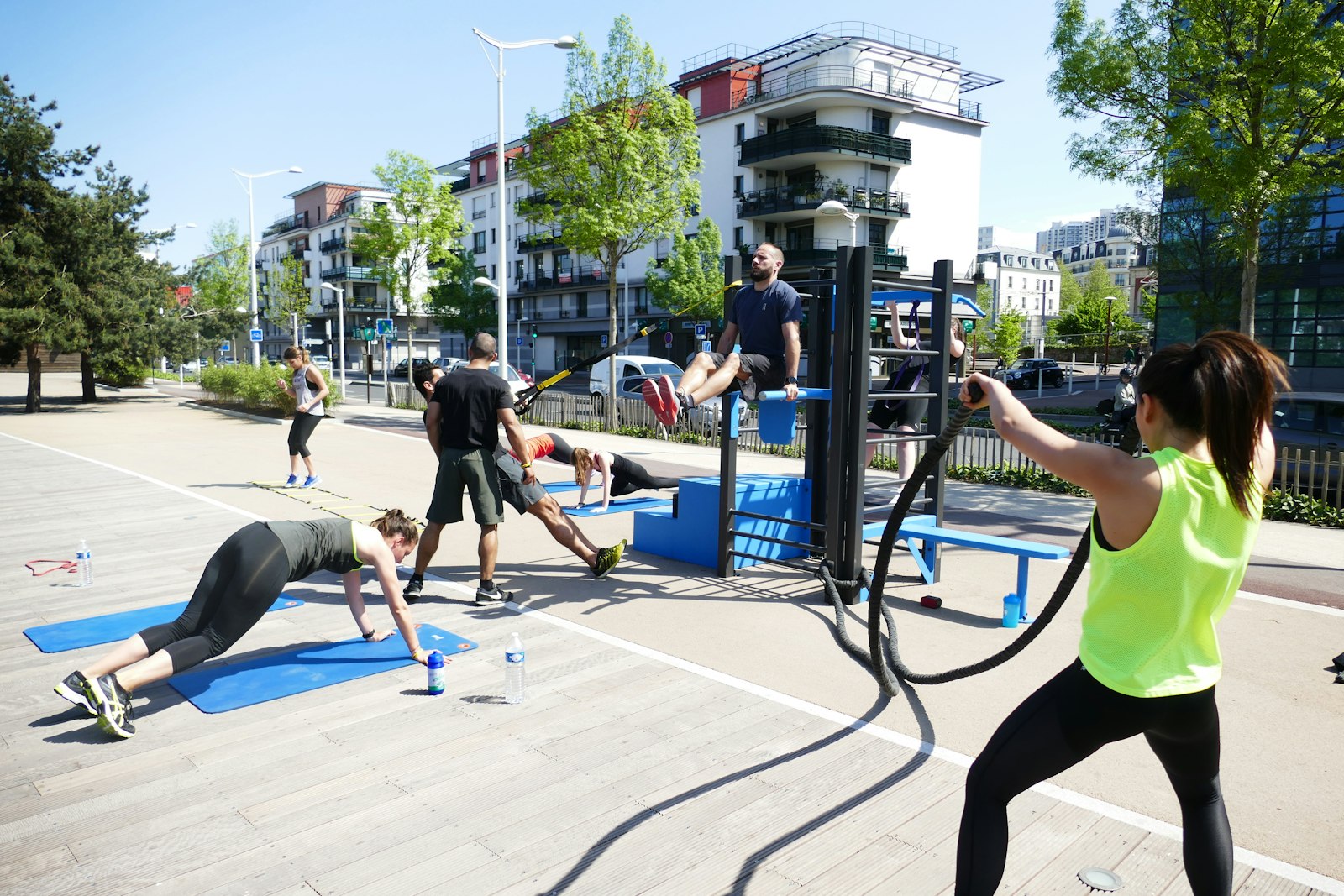
Where timing genuinely helps: fasted training, back-to-back sessions, very high training volume, or simply not being hungry enough to eat a full meal within a couple hours of lifting. In those scenarios, the right supplement format — fast-digesting whey isolate, a pre-loaded EAA blend, or a casein dose before bed — closes the gap without forcing food you don't want.
The Three Windows That Matter Most
Each window has a different ideal protein form. Matching the supplement to the digestion speed you actually need is where most people get protein timing wrong — grabbing whatever tub is closest instead of the format built for that window.
- Pre-workout (30–60 min prior): a fast, low-fat, low-fiber protein or EAA dose to spike aminoacidemia before you train, especially useful fasted.
- Post-workout (0–2 hours after): whey isolate or hydrolysate for rapid absorption when a real meal isn't coming soon.
- Pre-sleep (30–60 min before bed): slow-digesting casein or a casein-whey blend to sustain amino acid delivery through the overnight fast, when muscle protein breakdown otherwise dominates.
| Form | Digestion Speed | Best Window | Typical Dose |
|---|---|---|---|
| Whey Hydrolysate | Fastest (pre-digested peptides) | Immediately post-workout | 20–30g |
| Whey Isolate | Fast (low lactose/fat) | Pre- or post-workout | 20–30g |
| Whey Concentrate | Moderate | Anytime, general use | 25–35g |
| EAA/BCAA Powder | Very fast (free-form aminos) | Pre-workout, intra-workout, fasted training | 5–10g EAAs |
| Micellar Casein | Slow (gel-forming in stomach) | Before bed | 30–40g |
| Plant Blend (pea+rice) | Moderate-slow | Anytime, dairy-free need | 25–35g |
Who Actually Needs a Timing-Specific Supplement
If none of these apply — you eat a protein-rich meal within an hour or two of training either way — a single quality protein powder covers your needs, and fancy timing formats are a nice-to-have, not a requirement.
- You train fasted or first thing in the morning and want amino acids in circulation before you lift.
- You train twice a day or have less than 3 hours between sessions and real meals.
- You struggle to eat enough protein at breakfast or hit your daily total without shakes.
- You have a long overnight fast (8+ hours) and are training for hypertrophy or strength, where a slow-release pre-sleep protein has shown modest benefit for overnight muscle protein synthesis.
- You're cutting calories and want satiety plus a leucine hit without a full meal.
Leucine Threshold: The Number That Actually Drives Growth
Roughly 2.5–3g of leucine per serving is the trigger dose most research points to for maximizing muscle protein synthesis. This is why serving size matters more than brand marketing — a 20g whey isolate serving typically clears this threshold easily, while many plant proteins need a larger scoop or a blend to match it. Check the amino acid panel, not just the protein-per-scoop number, before deciding a product is 'enough.'
Shop Fast-Digesting Whey Isolate on iHerb
Compare hydrolysate and isolate options by leucine content and third-party testing — ideal for building a real post-workout stack.
Browse iHerb Protein →Building a Simple, Effective Timing Stack
You don't need six supplements. A minimal, evidence-backed stack looks like this: a fast whey isolate for post-workout, an EAA powder for fasted or early-morning training, and micellar casein for nights when dinner is light or early.
- Post-workout: 25–30g whey isolate or hydrolysate mixed with water within 60–90 minutes of finishing.
- Pre-workout (if fasted): 5–10g EAAs 15–30 minutes before training.
- Before bed: 30–40g micellar casein if your last meal was more than 3 hours before sleep.
- Non-training days: prioritize whole-food protein at each meal; supplements fill gaps, not replace meals.
Grab a Fast-Absorbing Whey Isolate Tub
Third-party tested isolate with a clean amino profile is the simplest single upgrade for post-training recovery.
Check Price on Amazon →Add a Slow-Release Casein for Nighttime
A gel-forming casein protein extends amino acid delivery through the overnight fast — useful for anyone training for size in 2026.
Shop Casein Protein →Stock an EAA Blend for Fasted Sessions
A flavored essential amino acid powder makes fasted or early-AM training easier without breaking your fast with whole food.
View EAA Powders →Final Verdict: Ranked by Real-World Usefulness
If forced to rank protein-timing supplements by how much they actually move the needle for the average lifter in 2026, the order looks like this: whey isolate first (versatile, fast, cheap per gram of leucine), micellar casein second (genuinely useful for the overnight window if your last meal is early), and EAA powders third (a convenience tool for fasted training, not a replacement for whole protein). Everything else — intra-workout blends, 'anabolic window' branded stacks, timed-release gimmicks — is marketing dressed up as science.
Total daily protein, consistent training, and progressive overload will always outweigh the precise minute you drink your shake. Use timing supplements to solve real logistical problems, not to chase a mythical window.
From across the network
More from the network on related topics: VitaminSupplyCenter · TestBoostLab · EliteRecoveryLab.